


‘COMMON INFRASTRUCTURE FOR COLLECTIVE ACTION’ SERIES
Growing Regional Food Systems Resilience
New York Climate Week 2026 | Thursday, September 24 | 9am-2:30pm
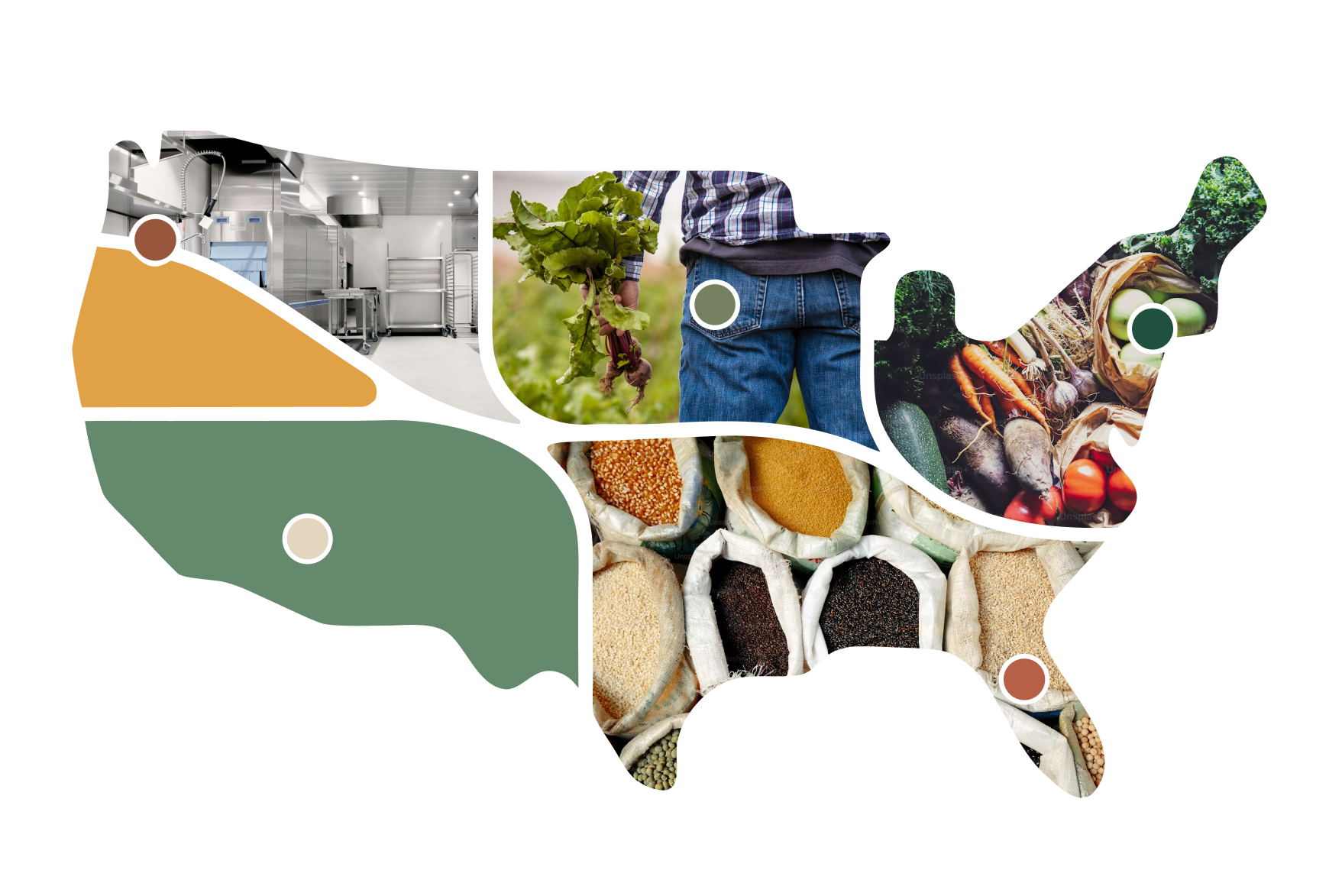
During New York Climate Week, Open Future Coalition brought together regional food systems practitioners, funders, technologists, and network partners to explore a shared question: what infrastructure helps locally rooted solutions connect, adapt, and grow?
Across three Thursday sessions and two Monday working sessions, we explored the relationships, tools, financing, and coordination that make implementation possible—and what it takes to develop and steward more of that infrastructure together.
The conversations will continue through the U.S. Food Systems Infrastructure Lab, Contextual Capital Labs, our Salon Series, and collaboration across our partner networks.


What emerged
Strong solutions are already taking shape across regions. Throughout the day, we heard how their success depends on the infrastructure around them: trusted relationships, accessible markets, appropriate financing, useful information, and people with the time and resources to coordinate.
A small cold storage trailer can connect farmers with community food programs. Flexible financing can help a producer navigate a difficult season. Shared documentation can give another organization a starting point for its own work. Each becomes more useful when it fits the relationships, governance, and conditions of the place it serves.
Several themes carried across the conversations:
Resource the connective work. Technical assistance, coordination, bookkeeping, and stewardship need sustained support.
Develop the pieces together. Producers, processing, logistics, buyers, and capital are interdependent.
Keep ownership and community authority visible. How infrastructure is governed shapes who benefits.
Understand how support changes risk. Relationships, patient terms, and practical assistance can make investments more viable.
Let learning travel with its context. Shared tools and resources need room for local adaptation, reciprocity, and ongoing feedback.
SESSION 1: LEARNING ACROSS REGIONS
What Local Food Systems Can Teach Us About Infrastructure
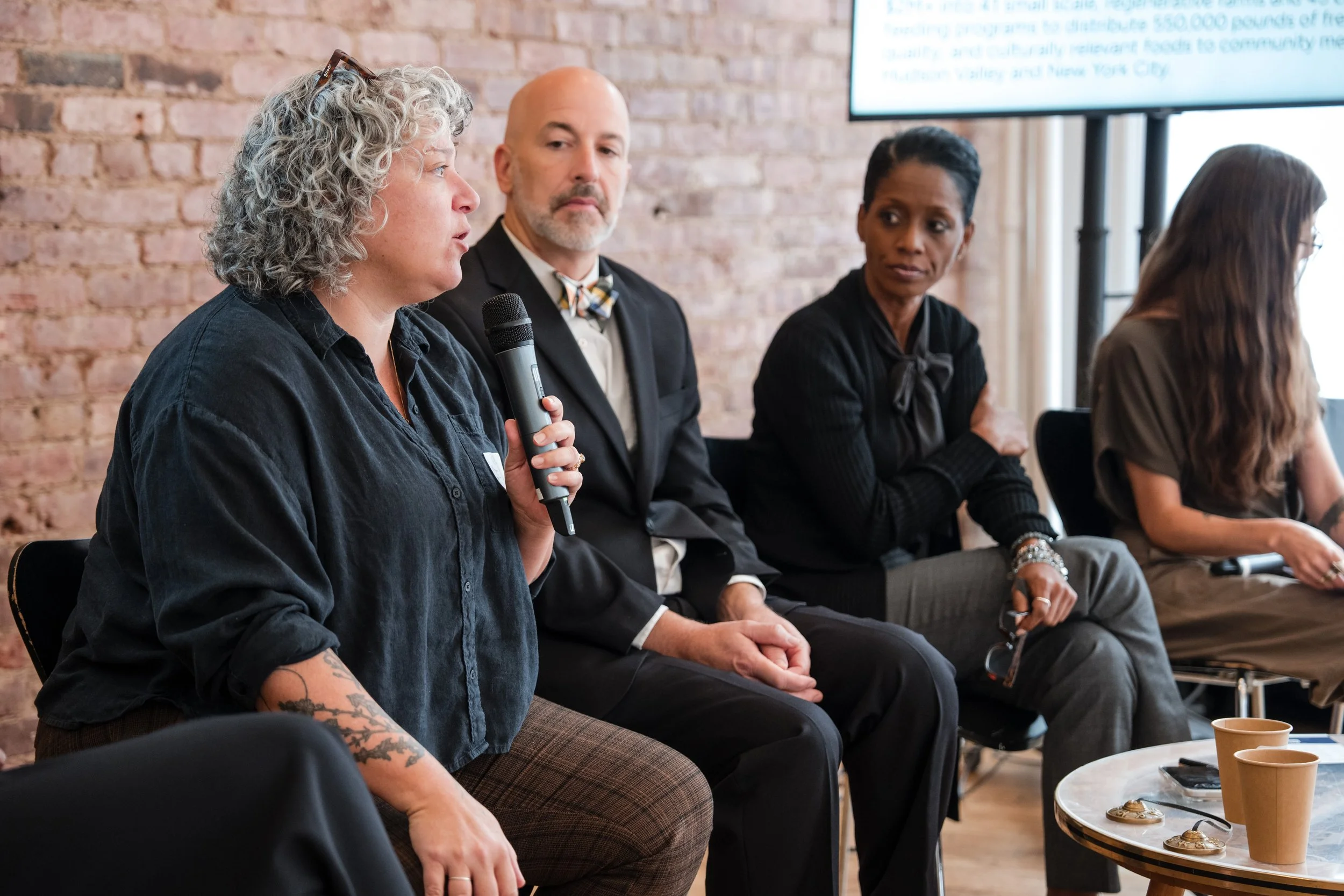
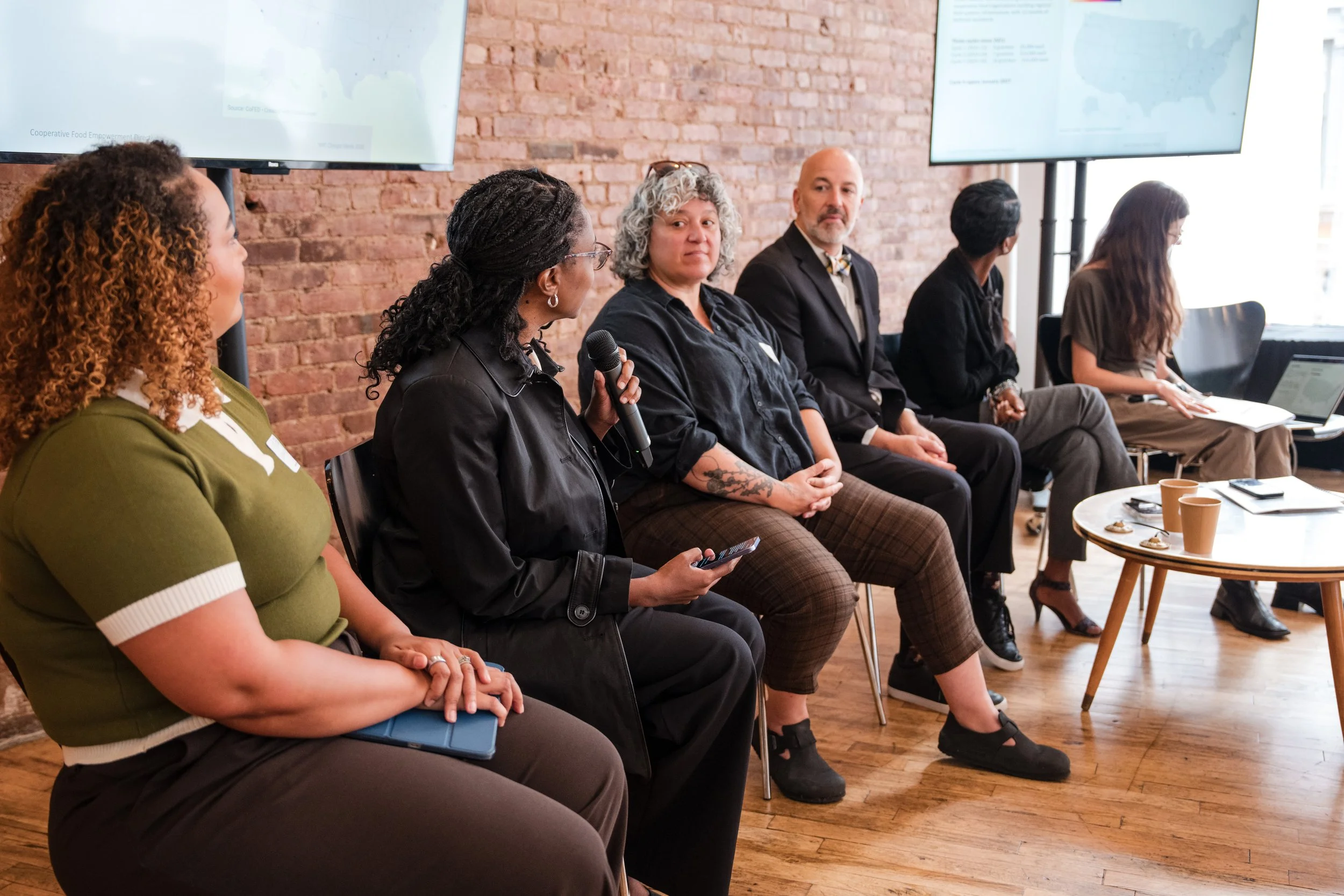
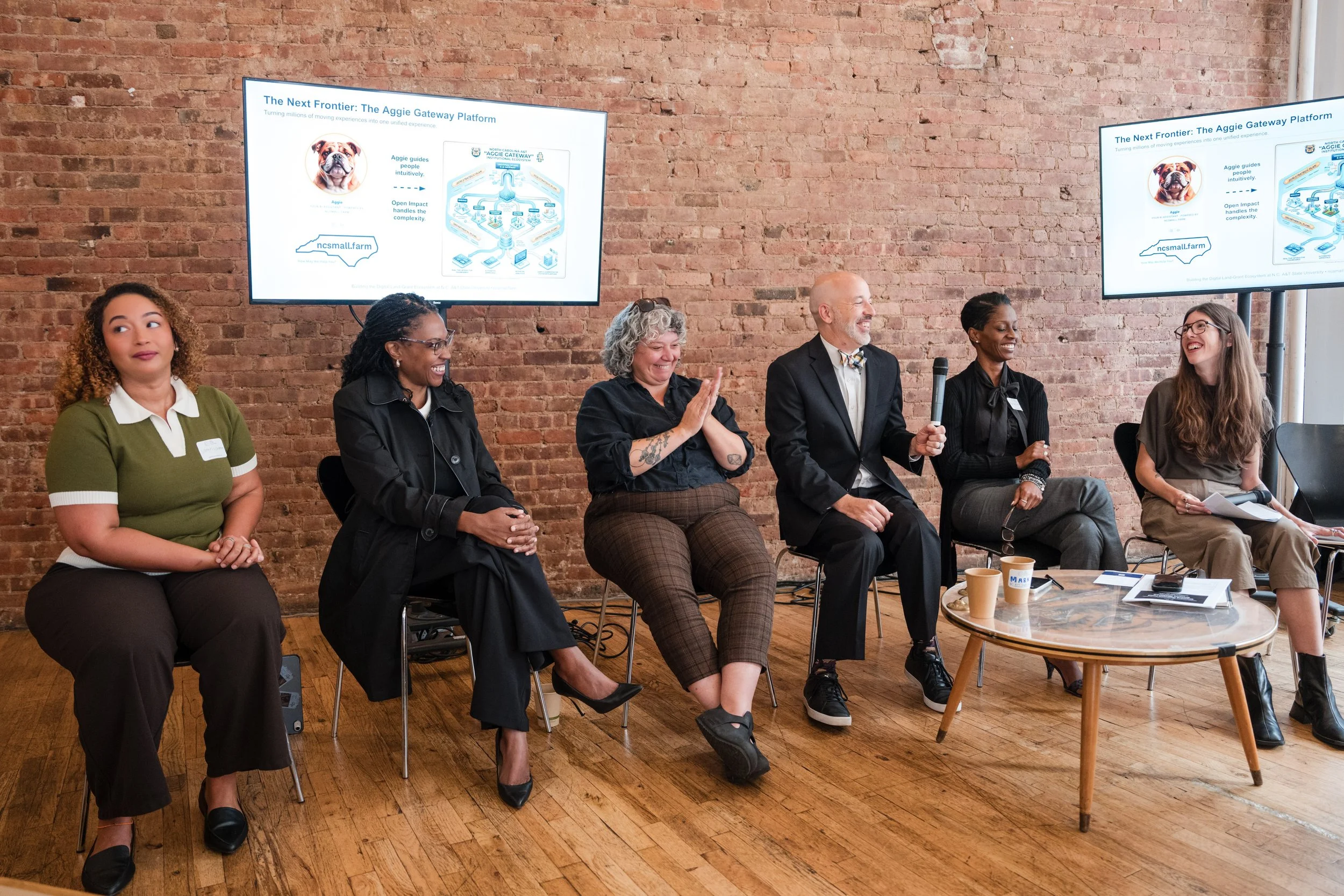
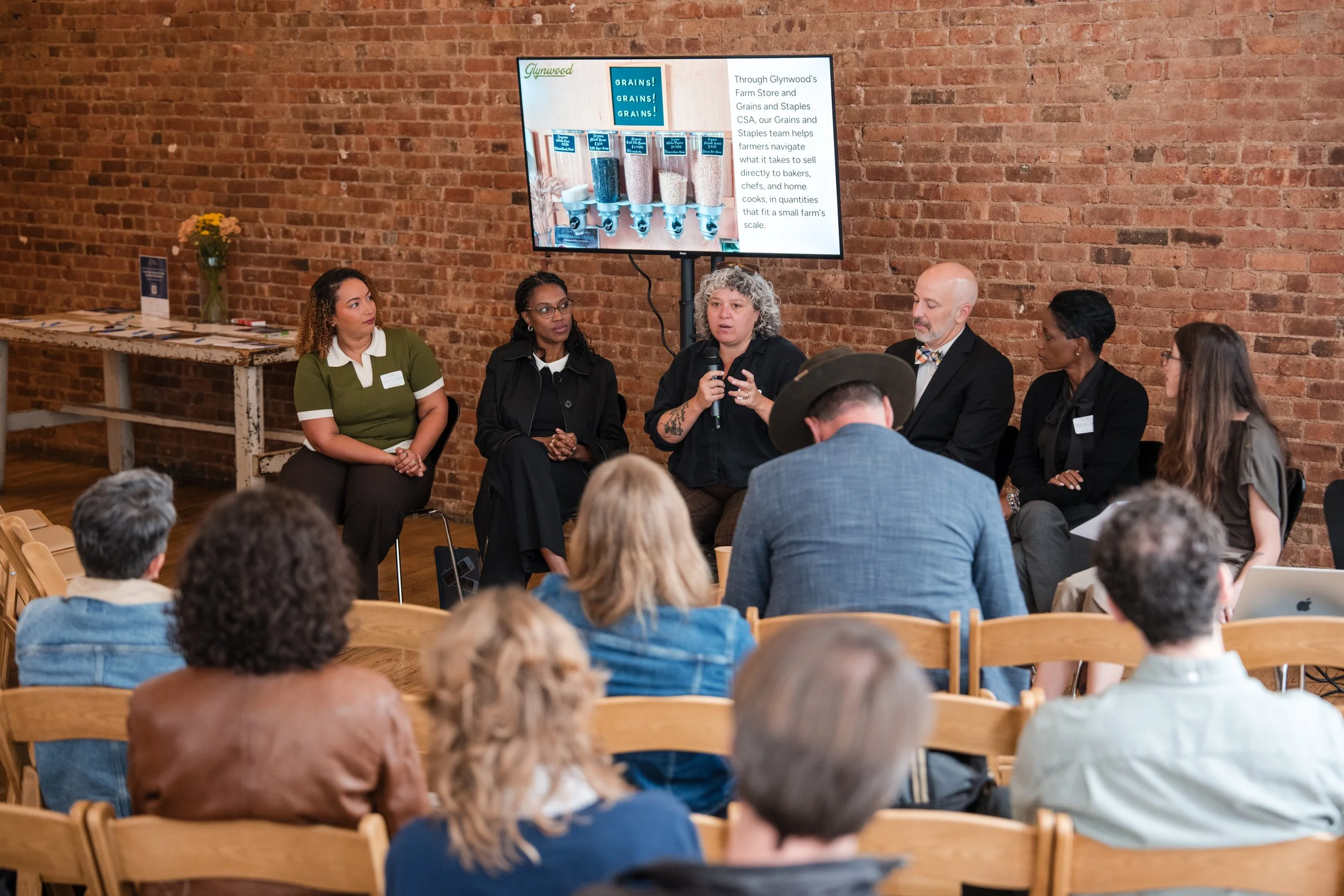
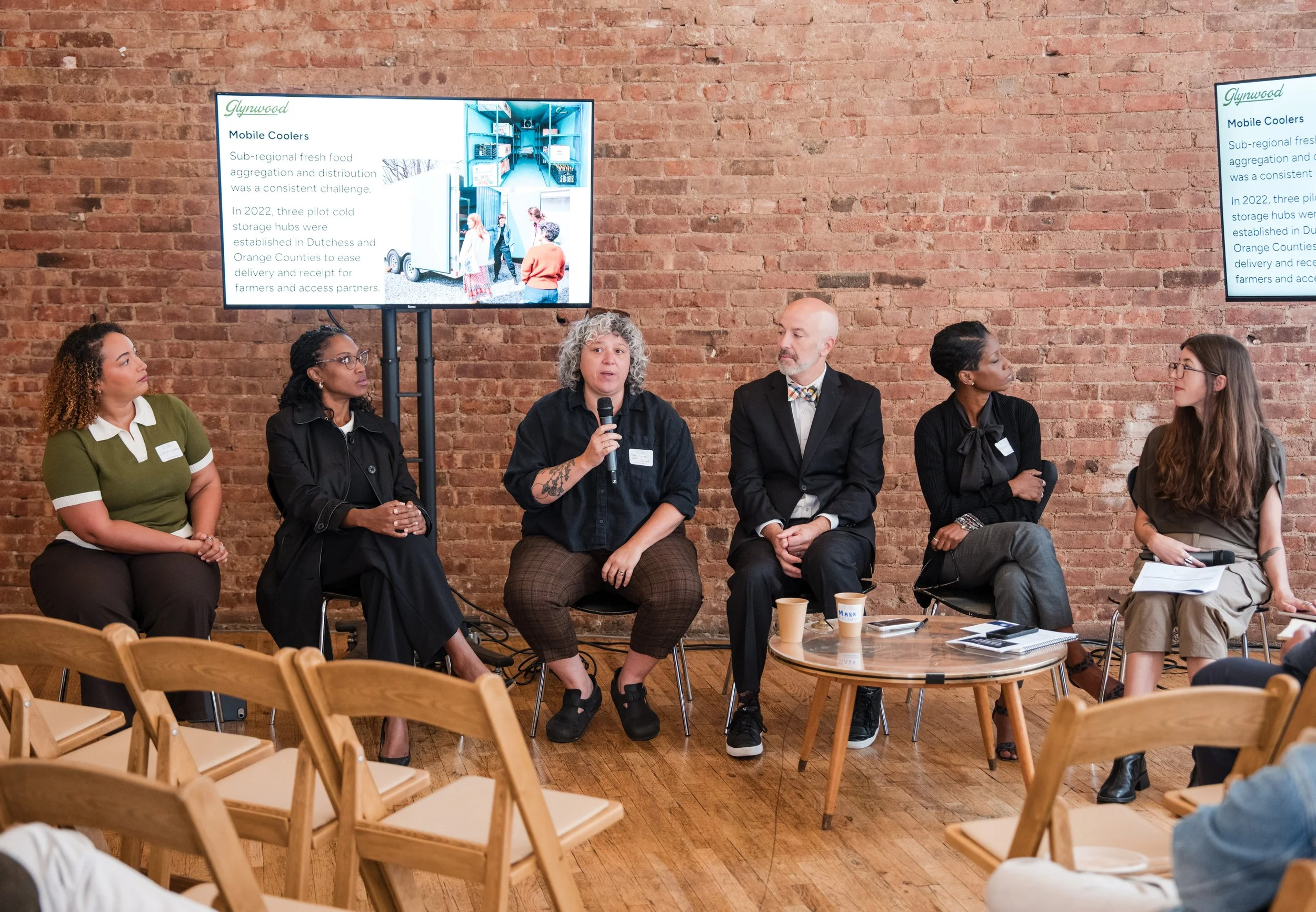
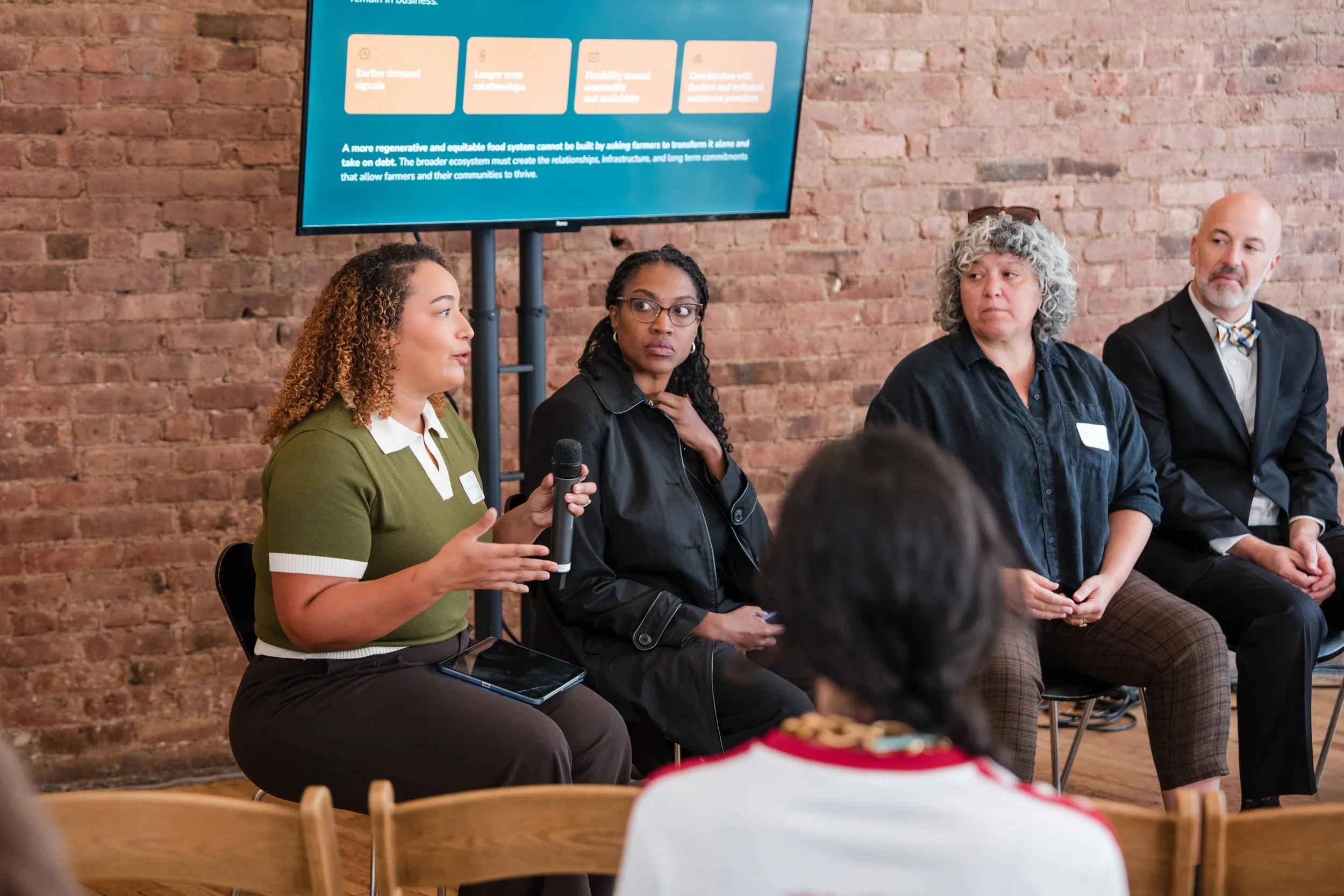
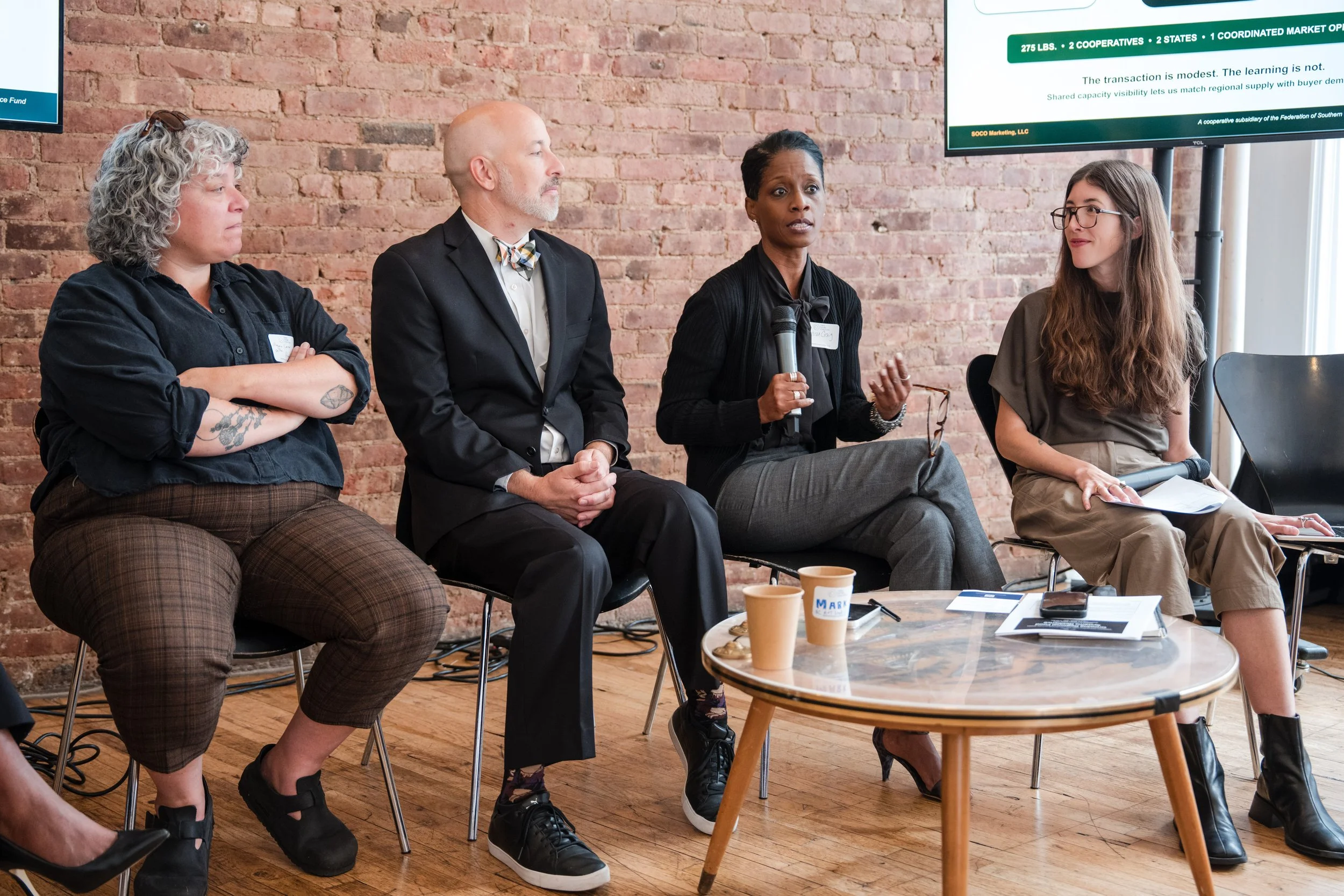
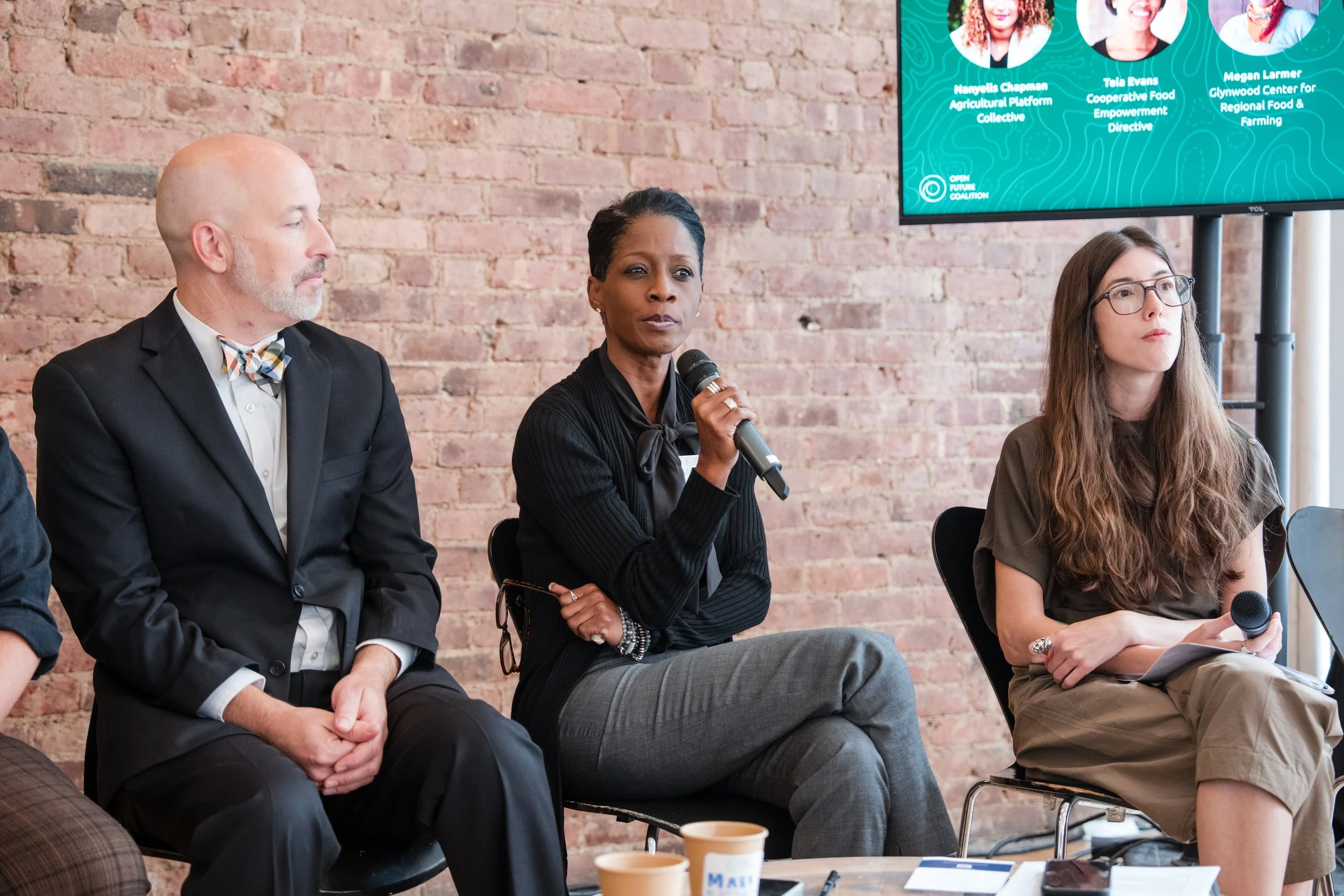
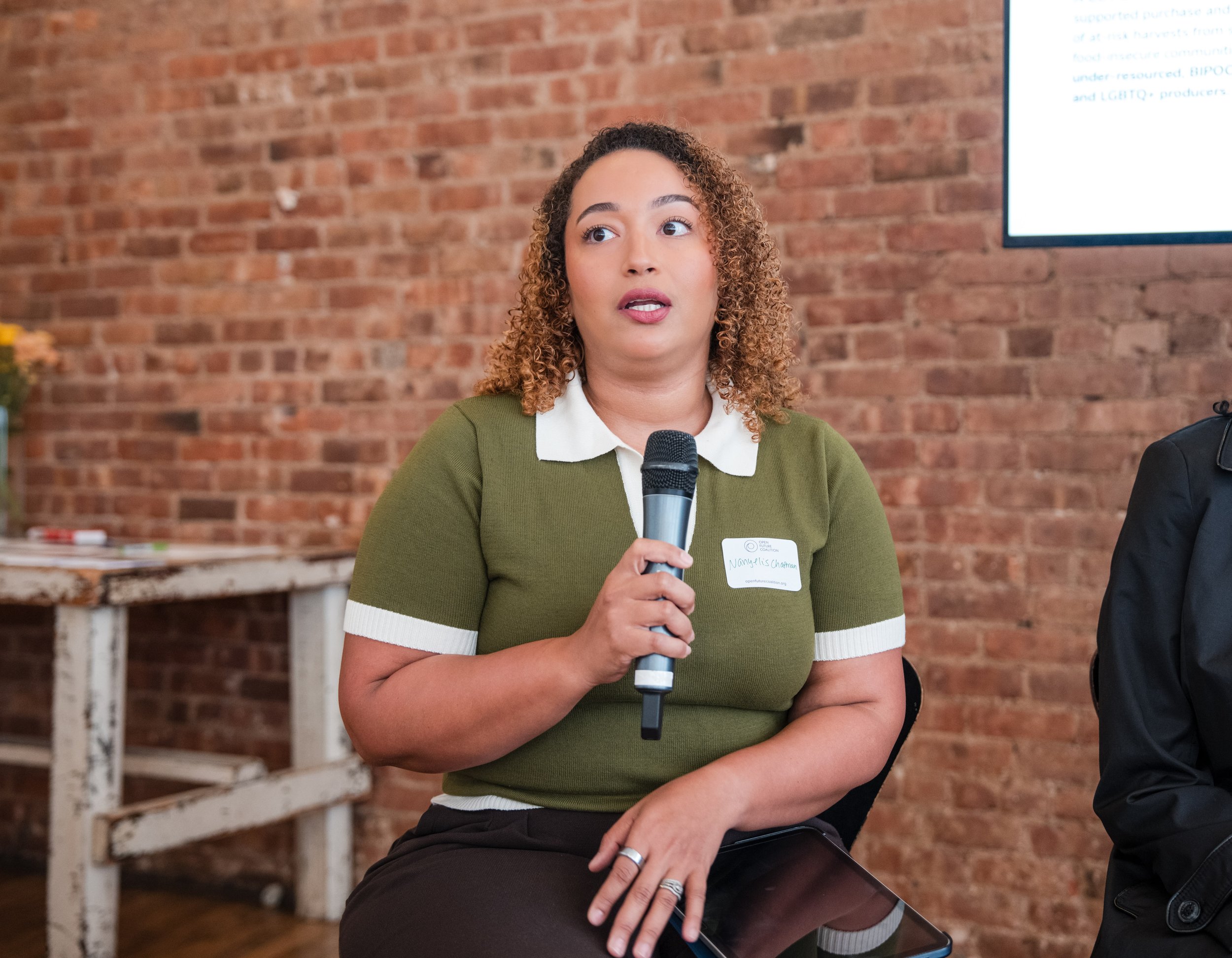
Our opening conversation brought together five organizations participating in the U.S. Food Systems Infrastructure Lab. Their examples showed how practical infrastructure grows from an understanding of local needs—and how much others can learn from the work already underway.
Glynwood Center for Regional Food & Farming · Hudson Valley
Small cold storage trailers bridged mismatched delivery and pickup schedules. Trusted relationships and clear procedures allowed partners to use the site without someone staffing it.
Agricultural Platform Collective · Central Valley
More consistent markets brought farmers’ next needs into focus: transportation, cold storage, business support, and secure land access. Market development helped clarify where further investment was needed.
Cooperative Food Empowerment Directive (COFED) · TK
-
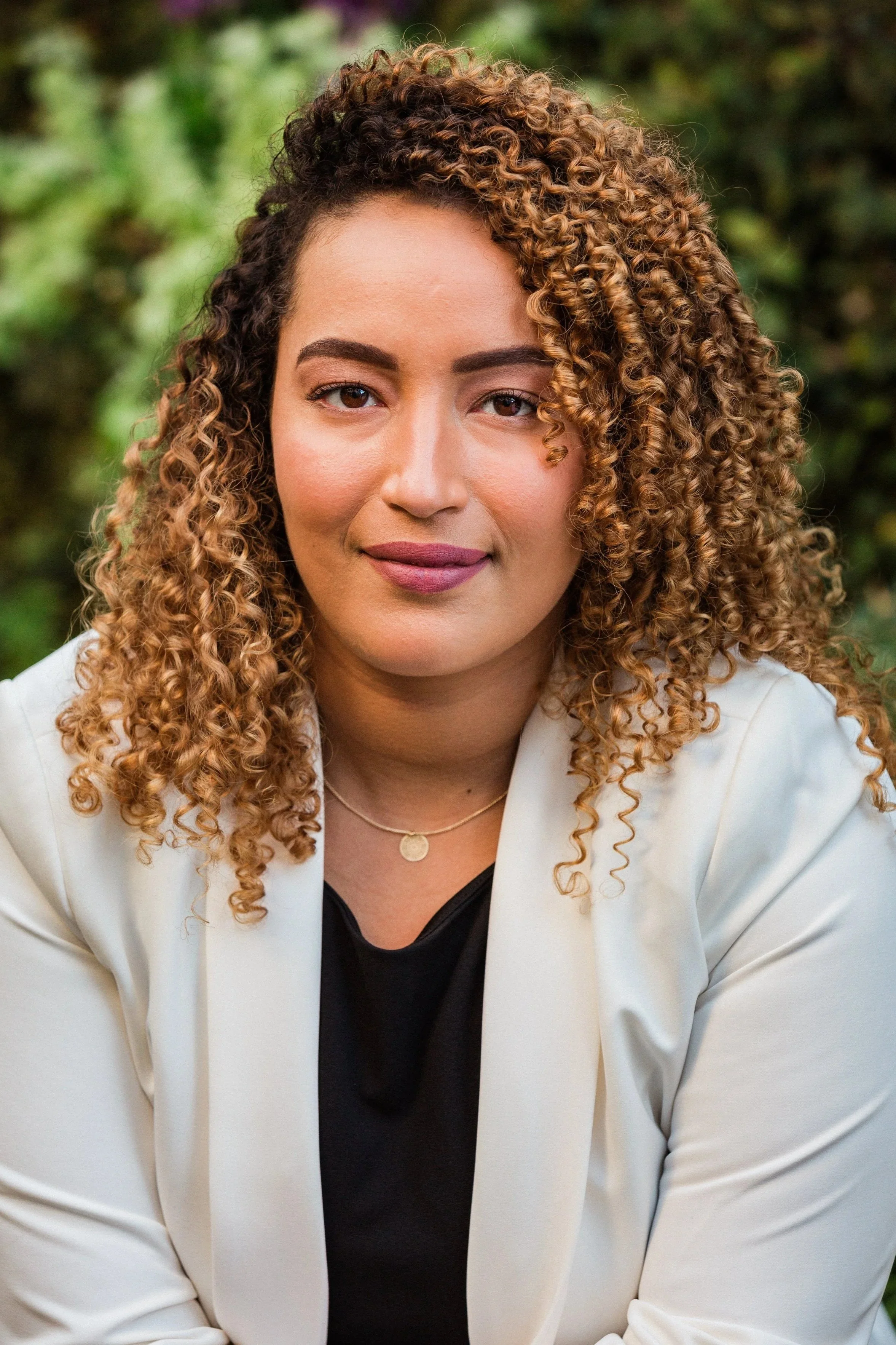
Nanyelis Chapman
Agricultural Platform Collective
Nanyelis is Director of Partnerships at the Agricultural Platform Collective (APC), where she connects and develops relationships across a statewide network of food hubs, institutions, and regional organizations in support of APC's strategy and technical assistance work. She previously built and led Growing the Table, a statewide COVID-19 food justice program that delivered over 1.2 million pounds of produce from 452 farmers and ranchers of color to underserved California communities.
-

Teia Evans
Cooperative Food Empowerment Directive
For the past decade, Teia Evans has worked to provide access to tools for cooperative development and building thriving communities. She currently serves as the Executive Director of the Cooperative Food Empowerment Directive (CoFED). Teia is a proud graduate of Morgan State University, and she earned her Juris Doctorate and Master of Business Administration degrees at North Carolina Central University School of Law.
-
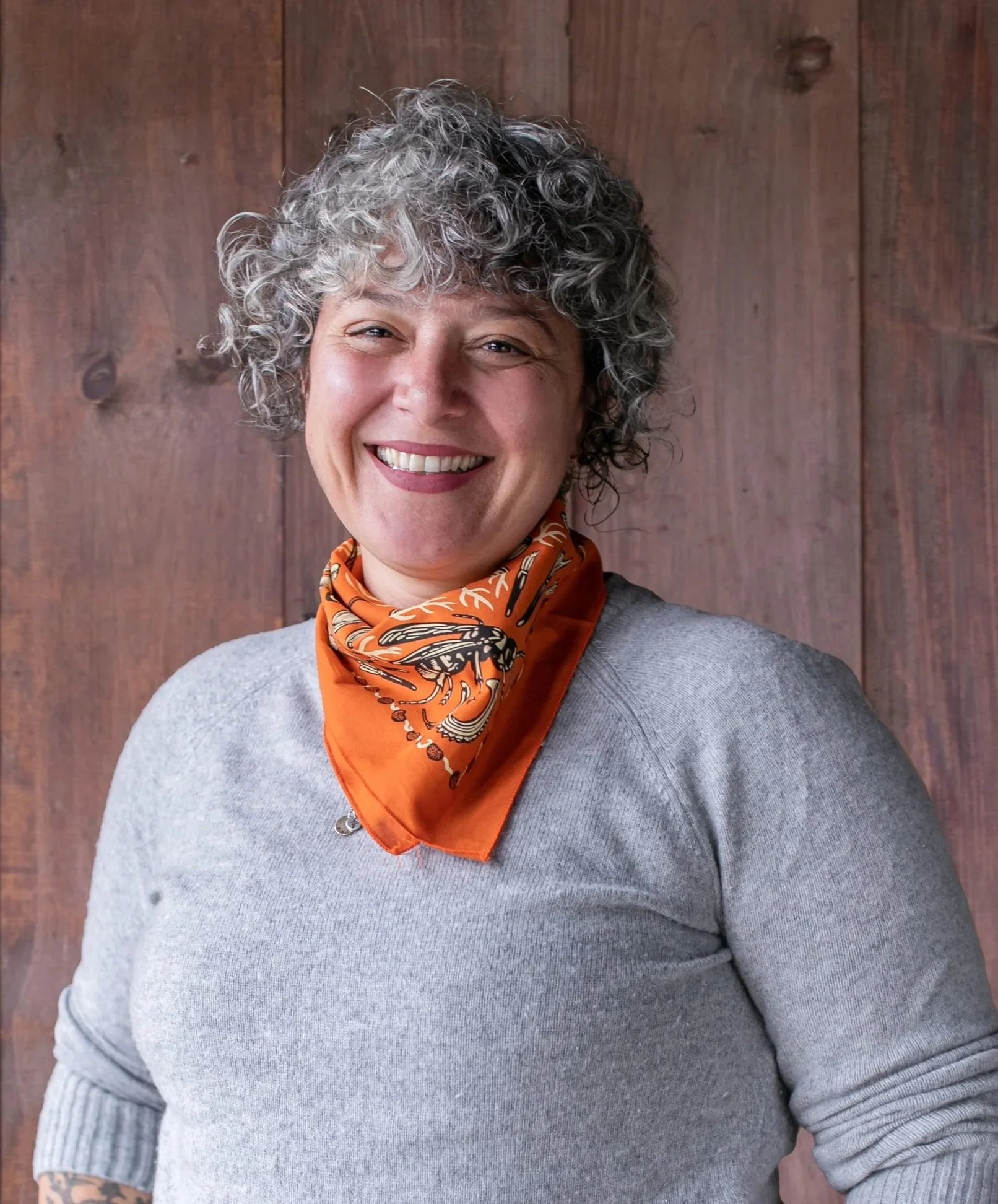
Megan Larmer
Glynwood Center for Regional Food & Farming
Dr. Larmer is the Vice President of Programs at the Glynwood Center for Regional Food and Farming in New York's Hudson Valley. She leads with a focus on collaborative, community-centered projects that build the relationships necessary for systemic change. She holds a PhD in Anthropology from the University of Exeter where she is a fellow of the Center for Rural Policy Research and an MA in Food Anthropology from SOAS, University of London.
-
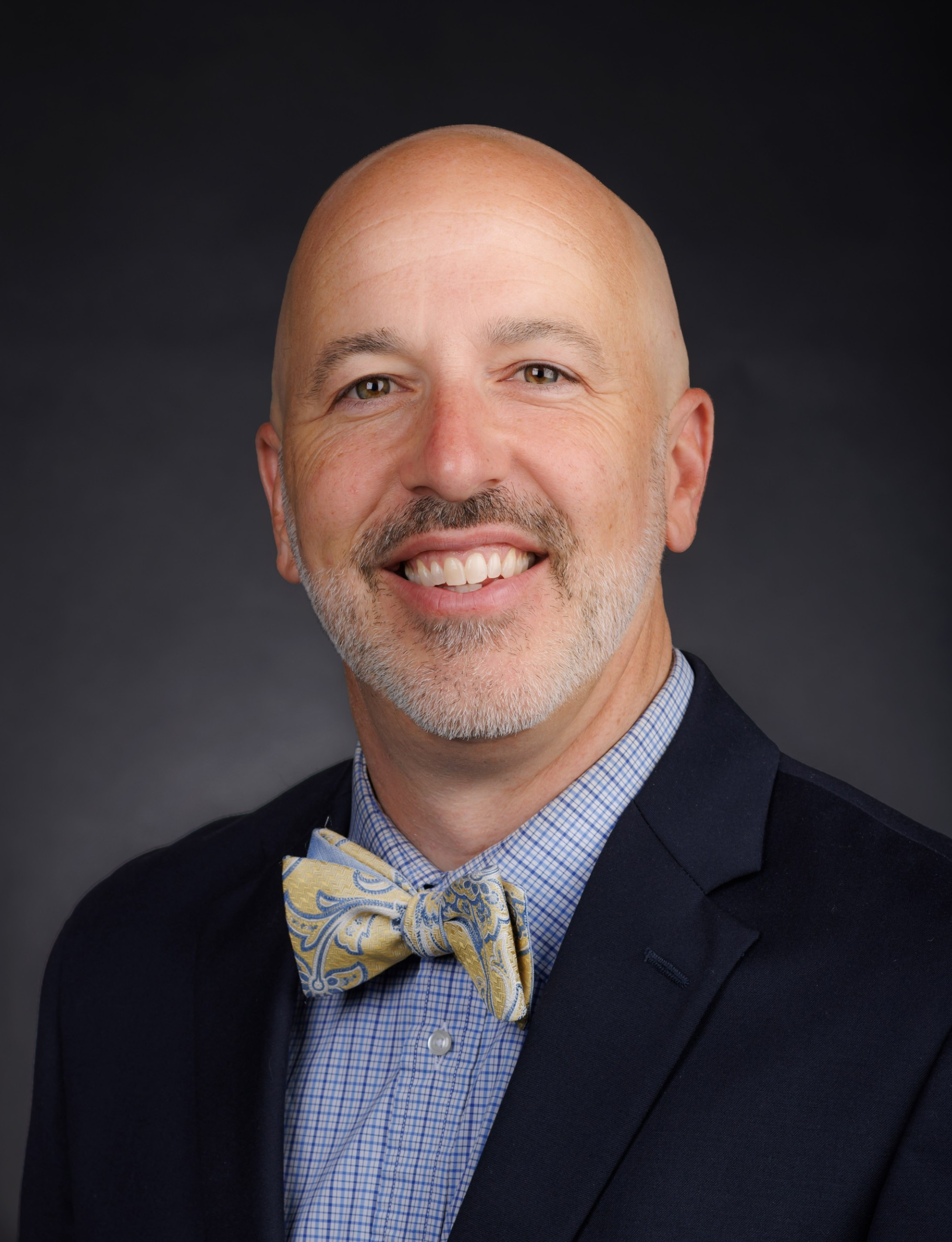
Mark Blevins
North Carolina A&T State University Cooperative Extension
Dr. Mark Blevins is the Assistant Extension Administrator for Cooperative Extension at NC A&T State University where he leads Agriculture and Natural Resources Programming to connect campus research and resources to small farmers across the state. Blevins has worked in Cooperative Extension since 2002 in tribal, urban, suburban, and coastal communities throughout the state with a focus on small-scale operations and sustainable agriculture. His role at NC A&T leverages preeminent resources at the nation’s largest HBCU to equip growers with the knowledge, skills, and resources they need to make even greater impacts in Agriculture.
-
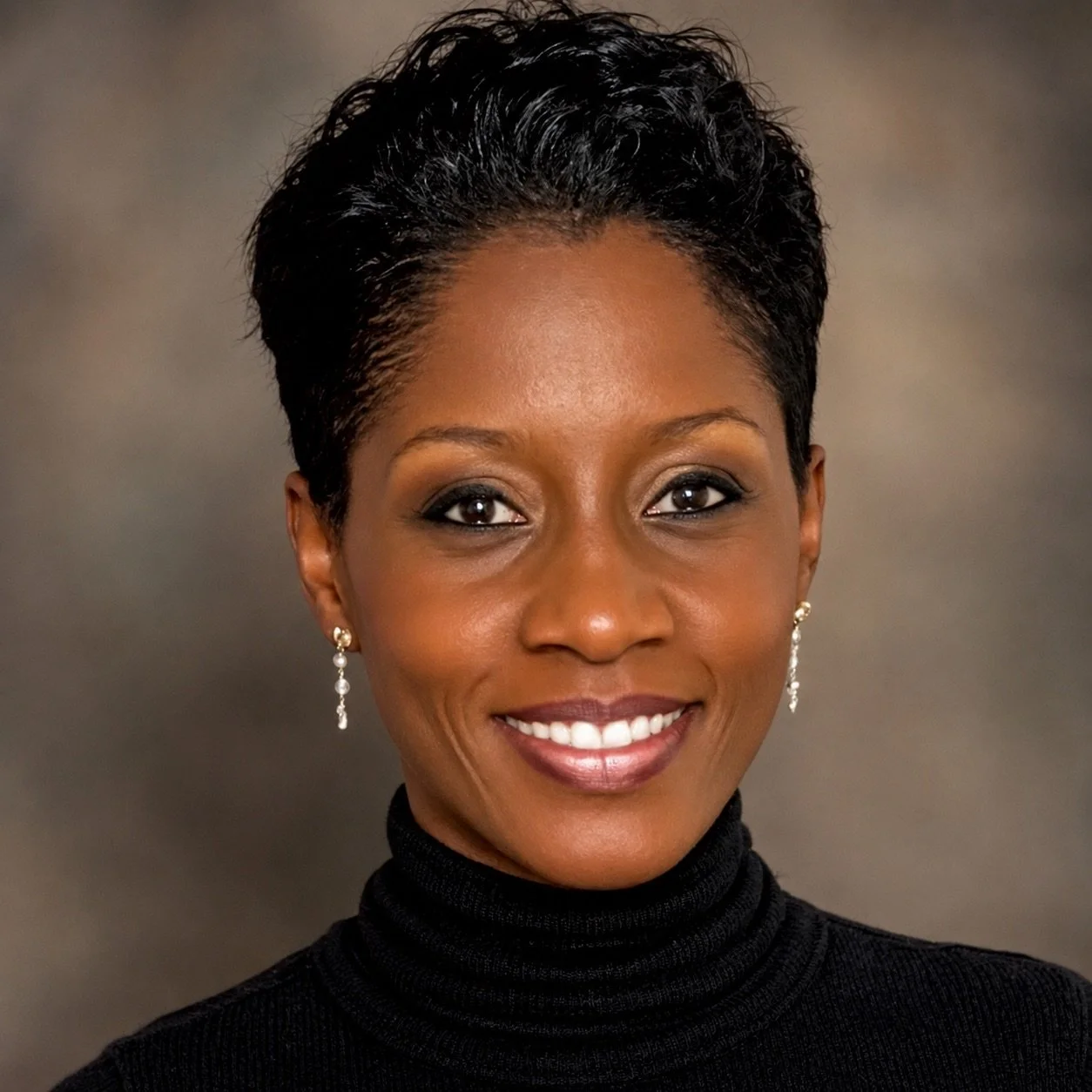
Mellissa Craig
Federation of Southern Cooperatives
Mellissa Craig serves as Regional Marketing Coordinator for SOCO Marketing, LLC, the marketing subsidiary of the Federation of Southern Cooperatives/Land Assistance Fund, where she is leading efforts to strengthen market access for Black farmers and cooperatives across the Federation’s seven-state Southern footprint. Her work focuses on building the shared infrastructure, systems, partnerships, and aggregation strategies needed to connect producer capacity with institutional and wholesale market opportunities for more resilient regional food systems.
SESSION 2: FINANCING FLOURISHING
Contextual Capital for Regional Food Systems
The capital conversation explored how financing can respond more closely to the realities of farmers, enterprises, and communities.
Black Farmer Fund described combining philanthropic and loan capital with financial support and flexibility as a meat processing project navigated construction delays and changing costs. Foodshed Capital shared how seasonal repayment, appropriate collateral, and ongoing relationships can support a farmer’s business while protecting personally owned land.
The discussion also widened beyond individual deals. Grounded Capital described connecting agricultural production with processing, distribution, and community infrastructure. Locus shared work on coordinated capital and buyer demand in the Mid-Atlantic. Kat Taylor explored how mission-aligned financial institutions could share tools and development costs while remaining decentralized.
A recurring theme was the need to resource several parts of a regional system at the right time. Farms need viable markets; processors need supply; buyers may need facilities or trained staff. Coordinating those dependencies takes people, relationships, and operating support.
Participants also emphasized that collaboration needs to respect different lending approaches and community values. Complementary roles can help organizations work together while retaining what makes their work effective.
“I do believe ensembles of solutions are what is more consistent with a holistic approach and to nature based production systems.”
— Kat Taylor, TomKat Foundation
-
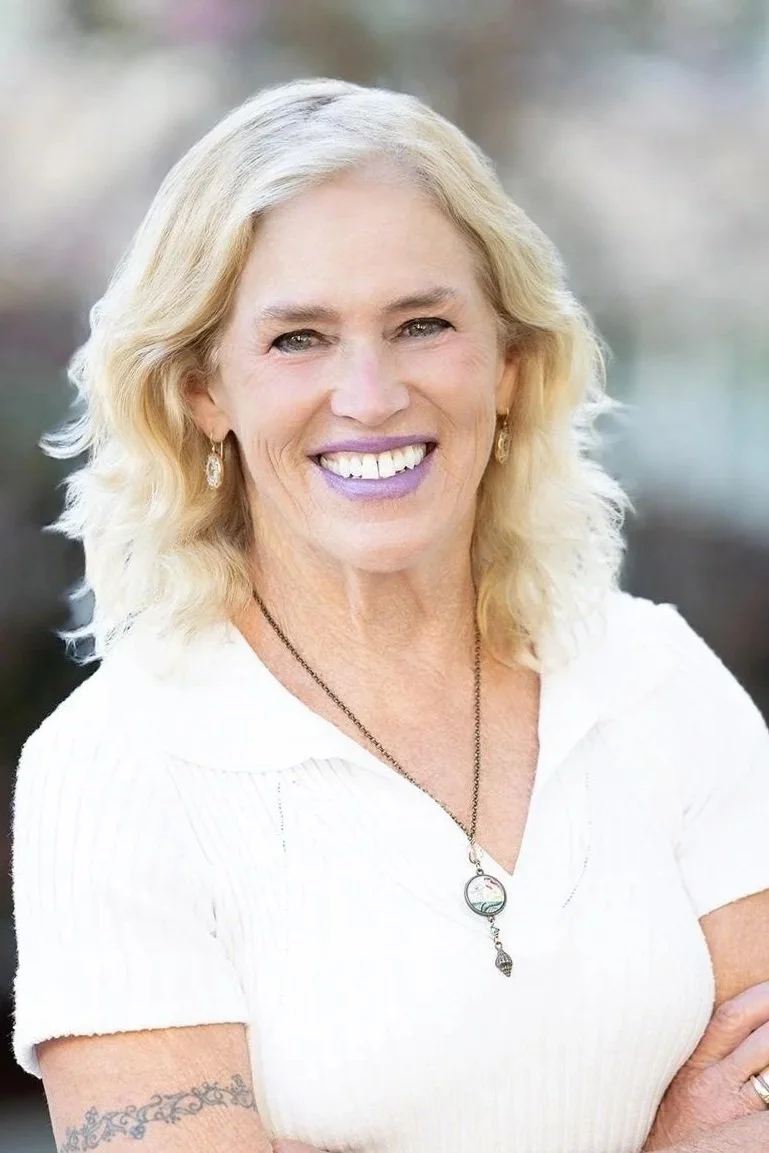
Kat Taylor
Tom Kat Ranch
Kat Taylor is a dedicated advocate for social justice and environmental sustainability, striving to create a more equitable world by aligning values in banking and land stewardship. In 2007, she and her husband, Tom Steyer, co-founded Beneficial State Bank, a certified B Corporation. The following year, Kat and Tom founded TomKat Ranch—a 1,800-acre cattle ranch in the San Francisco Bay Area dedicated to broadcasting and de-risking regenerative practices. As President of TomKat Foundation, Kat champions environmental sustainability and serves on boards supporting regenerative farming and healthier communities.
-
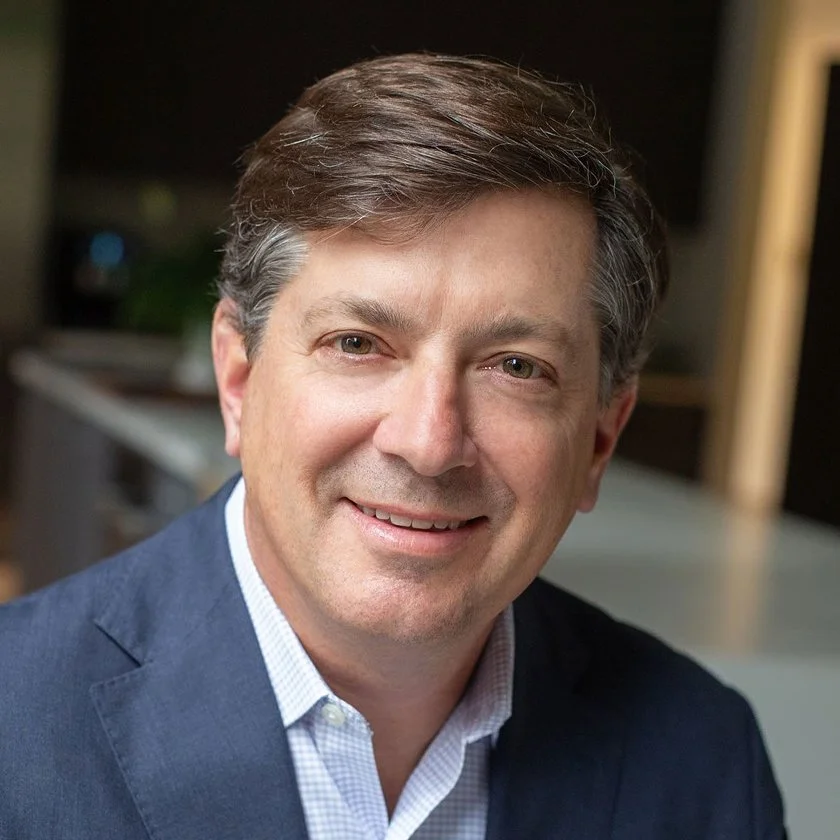
Stephen Hohenrieder
Grounded Capital
Stephen Hohenrieder has spent the past twenty years focused on investing private capital at scale to build a more regenerative food system. He serves as the CEO of Grounded Capital which primarily invests in agricultural land and production, and established mission driven food companies with transparent supply chains that create demand for regenerative agriculture output.
-
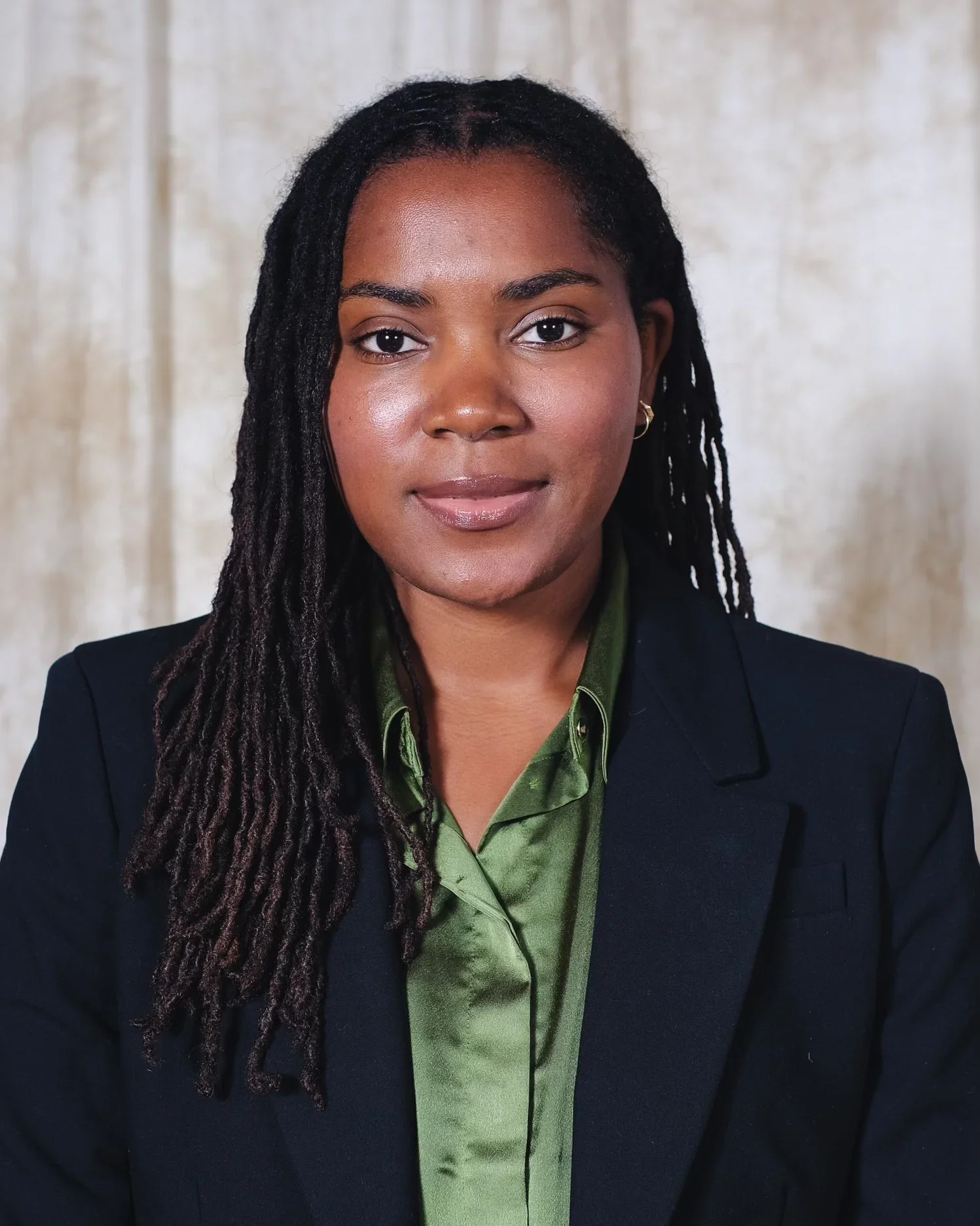
Olivia Watkins
Black Farmer Fund
Olivia Watkins (she/her) serves as Co-Founder and President at Black Farmer Fund. Olivia is a social entrepreneur and impact investor. For the past seven years, she has financed, developed, and operated environmental and social projects across the US. She also serves as a board member for Iroquois Valley Farmland REIT.
Prior to founding Black Farmer Fund in 2017, Olivia worked in several production roles at Soul Fire Farm Institute and Kahumana Organic Farms, leveraging her environmental biology background to manage and grow environmentally regenerative and socially impactful business operations.
-
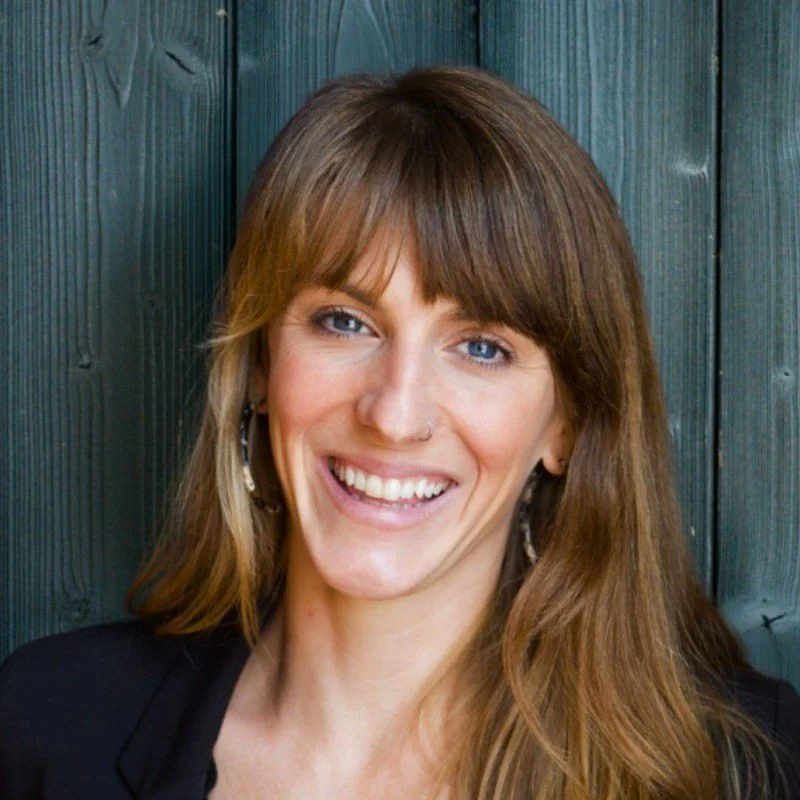
Erica Hellen
Foodshed Capital
Erica Hellen is the Chief Development Officer at Foodshed Capital. She leads all aspects of development alongside the CEO, integrating fundraising, donor engagement, and storytelling into a cohesive strategy. Erica oversees grants, major gifts, and donor systems, while supporting Foodshed Capital’s investment note program and guiding messaging, impact reporting, and partnership development.
-

Dalila Boclin
Locus Capital
Dalila Boclin serves as the Director of Food Systems Investment at LOCUS Impact Investing, focusing on sustainable food systems using braided capital to unlocking resources for local communities and community development financial institutions. She also serves as a co-chair for the Sustainable Supply Chain working group under the DC Food Policy Council.
SESSION 3: BUILDING COMMON INFRASTRUCTURE
Growing the Participatory Commons for Collective Action
In smaller conversation circles, participants explored what it takes to share knowledge, coordinate resources, and sustain participation across organizations and regions.
The harvest surfaced questions about community-led measurement: how frameworks can reflect collective values, remain transparent, and evolve as communities learn. Other conversations explored capital readiness across the system, including who carries upfront costs, owns infrastructure, and shares in the value it creates.
Reciprocity was another recurring thread. Connector organizations help knowledge and opportunities move, but that work can become difficult to sustain when it relies on unpaid contributions. Participants considered compensation, acknowledgment, and other forms of meaningful value that make participation possible.
Regional coordination brought these questions back to everyday life. Food systems intersect with housing, health, local government, and livelihoods. Shared infrastructure needs to help people work across those relationships while preserving local purpose and authority.
The circles offered several directions for continued inquiry: how can we learn and coordinate across regions while sustaining the people doing the work and retaining the integrity of each place?
“I do believe ensembles of solutions are what is more consistent with a holistic approach and to nature based production systems.”
— Kat Taylor, TomKat Foundation
Schedule
10:45am
Short Break
9am
Coffee, Light Breakfast, Connection
9:30am
Welcome & Opening Talk: Common Infrastructure for Collective Action: Growing Regional Food Systems Resilience
Presentation
OFC leaders share context for the day’s programming, highlight ongoing work advancing Common Infrastructure for Collective Action, and showcase our recently launched food systems focused Lab programs.
Kaitlin Archambault, Founder & CEO, Open Future Coalition
Jamaica Stevens, Co-Founder & CCO, Open Future Coalition
Sushant Shrestha, Managing Partner, Open Future Fund
9:45am
Workshop 1: Learning Across Regions: What Local Food Systems Can Teach Us About Infrastructure
Panel + Interactive Discussion
Explore innovative approaches to strengthening regional food systems—from cooperative enterprises and Indigenous stewardship to farmer networks and community finance. Through short presentations and facilitated discussion, we’ll surface the common infrastructure needs emerging across diverse contexts and consider what can be learned, adapted, and shared.
Nanyelis Chapman, Agricultural Platform Collective
Teia Evans, Cooperative Food Empowerment Directive
Megan Larmer, Glynwood Center for Regional Food & Farming
Mark Blevins, North Carolina A&T State University Cooperative Extension
Mellissa Craig, SOCO Marketing (Federation of Southern Cooperatives)
Moderated by Kaitlin Archambault, Open Future Coalition
11am
Workshop 2: Financing Flourishing: Contextual Capital for Regional Food Systems
Fishbowl + Q&A
What would it take for capital to better strengthen regional food systems? Through a facilitated fishbowl conversation, practitioners, funders, intermediaries, and investors will explore how financing can support coordination, collaborative implementation, and long-term resilience—not just individual projects.
Kat Taylor, TomKat Foundation
Stephen Hohenrieder, Grounded Capital
Erica Hellen, Foodshed Capital
Olivia Watkins, Black Farmer Fund
Dalila Boclin, Locus Impact
Moderated by Kaitlin Archambault, Open Future Coalition
12pm
Light Lunch + Networking
12:30pm
Workshop 3: Building Common Infrastructure: Growing the Participatory Commons for Collective Action
Interactive Topical Conversation Circles
What connective infrastructures are need to coordinate, learn, and adapt more effectively in common? This moderated by organizational partners, this participatory session will bring smaller groups together to explore practical opportunities to build and steward shared resources—from knowledge and documentation to governance, measurement, and technical tools.
Deepa Lounsbury & Megan Holcomb, LabStart
Eva Gladek, Metabolic
B Cavello, Aspen Digital
Liza Lamana, American Sustainable Business Network
Sara Blenkhorn, Buckminster Fuller Institute
Sarah Salem, Hudson Valley Food Systems Coalition
Brian Ratcliffe, Plant Baby Plant
Kofi Gyimah Amoako-Gyimah, Okyeman Environment Foundation
Sushant Shrestha, Contextual Capital Labs
Moderated by Jamaica Stevens, Open Future Coalition
1:30pm
Collective Harvest
Facilitated roundtable to gather insights and highlights from the day
2:30pm
Event Close
Presented in partnership with
Thank you to our convening partners & speakers




Featured Speakers
WORKSHOP 1: Learning Across Regions: What Local Food Systems Can Teach Us About Infrastructure
-
Nanyelis Chapman
Agricultural Platform Collective
Nanyelis is Director of Partnerships at the Agricultural Platform Collective (APC), where she connects and develops relationships across a statewide network of food hubs, institutions, and regional organizations in support of APC's strategy and technical assistance work. She previously built and led Growing the Table, a statewide COVID-19 food justice program that delivered over 1.2 million pounds of produce from 452 farmers and ranchers of color to underserved California communities.
-
Teia Evans
Cooperative Food Empowerment Directive
For the past decade, Teia Evans has worked to provide access to tools for cooperative development and building thriving communities. She currently serves as the Executive Director of the Cooperative Food Empowerment Directive (CoFED). Teia is a proud graduate of Morgan State University, and she earned her Juris Doctorate and Master of Business Administration degrees at North Carolina Central University School of Law.
-
Megan Larmer
Glynwood Center for Regional Food & Farming
Dr. Larmer is the Vice President of Programs at the Glynwood Center for Regional Food and Farming in New York's Hudson Valley. She leads with a focus on collaborative, community-centered projects that build the relationships necessary for systemic change. She holds a PhD in Anthropology from the University of Exeter where she is a fellow of the Center for Rural Policy Research and an MA in Food Anthropology from SOAS, University of London.
-
Mark Blevins
North Carolina A&T State University Cooperative Extension
Dr. Mark Blevins is the Assistant Extension Administrator for Cooperative Extension at NC A&T State University where he leads Agriculture and Natural Resources Programming to connect campus research and resources to small farmers across the state. Blevins has worked in Cooperative Extension since 2002 in tribal, urban, suburban, and coastal communities throughout the state with a focus on small-scale operations and sustainable agriculture. His role at NC A&T leverages preeminent resources at the nation’s largest HBCU to equip growers with the knowledge, skills, and resources they need to make even greater impacts in Agriculture.
-
Mellissa Craig
Federation of Southern Cooperatives
Mellissa Craig serves as Regional Marketing Coordinator for SOCO Marketing, LLC, the marketing subsidiary of the Federation of Southern Cooperatives/Land Assistance Fund, where she is leading efforts to strengthen market access for Black farmers and cooperatives across the Federation’s seven-state Southern footprint. Her work focuses on building the shared infrastructure, systems, partnerships, and aggregation strategies needed to connect producer capacity with institutional and wholesale market opportunities for more resilient regional food systems.
WORKSHOP 2: Financing Flourishing: Contextual Capital for Regional Food Systems
-
Kat Taylor
Tom Kat Ranch
Kat Taylor is a dedicated advocate for social justice and environmental sustainability, striving to create a more equitable world by aligning values in banking and land stewardship. In 2007, she and her husband, Tom Steyer, co-founded Beneficial State Bank, a certified B Corporation. The following year, Kat and Tom founded TomKat Ranch—a 1,800-acre cattle ranch in the San Francisco Bay Area dedicated to broadcasting and de-risking regenerative practices. As President of TomKat Foundation, Kat champions environmental sustainability and serves on boards supporting regenerative farming and healthier communities.
-
Stephen Hohenrieder
Grounded Capital
Stephen Hohenrieder has spent the past twenty years focused on investing private capital at scale to build a more regenerative food system. He serves as the CEO of Grounded Capital which primarily invests in agricultural land and production, and established mission driven food companies with transparent supply chains that create demand for regenerative agriculture output.
-
Olivia Watkins
Black Farmer Fund
Olivia Watkins (she/her) serves as Co-Founder and President at Black Farmer Fund. Olivia is a social entrepreneur and impact investor. For the past seven years, she has financed, developed, and operated environmental and social projects across the US. She also serves as a board member for Iroquois Valley Farmland REIT.
Prior to founding Black Farmer Fund in 2017, Olivia worked in several production roles at Soul Fire Farm Institute and Kahumana Organic Farms, leveraging her environmental biology background to manage and grow environmentally regenerative and socially impactful business operations.
-
Erica Hellen
Foodshed Capital
Erica Hellen is the Chief Development Officer at Foodshed Capital. She leads all aspects of development alongside the CEO, integrating fundraising, donor engagement, and storytelling into a cohesive strategy. Erica oversees grants, major gifts, and donor systems, while supporting Foodshed Capital’s investment note program and guiding messaging, impact reporting, and partnership development.
-
Dalila Boclin
Locus Capital
Dalila Boclin serves as the Director of Food Systems Investment at LOCUS Impact Investing, focusing on sustainable food systems using braided capital to unlocking resources for local communities and community development financial institutions. She also serves as a co-chair for the Sustainable Supply Chain working group under the DC Food Policy Council.
WORKSHOP 3: Building Common Infrastructure: Growing the Participatory Commons for Collective Action
-

B Cavello
Aspen Digital
B is a technology and facilitation expert focused on empowering people to participate in technological and social governance. As Director of Emerging Technologies at Aspen Digital, a program of the Aspen Institute, they help people navigate the opportunities and tradeoffs of emerging technologies including artificial intelligence. Previously, B advised Senator Ron Wyden on privacy, internet governance, and algorithmic accountability as a Congressional Innovation Fellow, and led research on fairness, transparency, and the future of work at the Partnership on AI. B also serves on the board of Metagov, is a 2026 Siegel Research Fellow, and has held leadership roles at IBM Watson and Exploding Kittens.
-
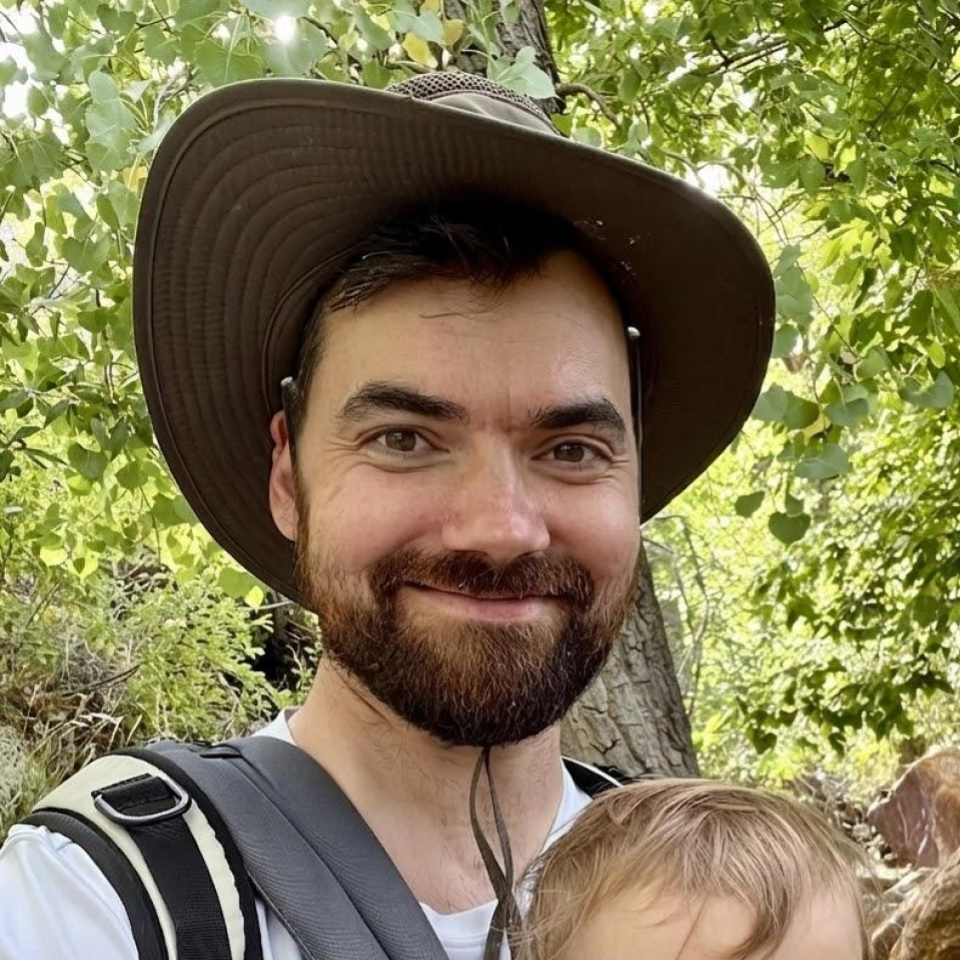
Brian Ratcliffe
Plant Baby Plant
Brian Ratcliffe is a climate optimist and a dad. Before reuniting with his grad school mentor, Robin Wall Kimmerer, to become the first executive director of Plant Baby Plant, Brian spent six years working on climate change issues within the federal government (Forest Service, Department of Energy, State Department). A child of the Rocky Mountains, Brian is an east coast transplant and lives outside Philadelphia with his family.
-
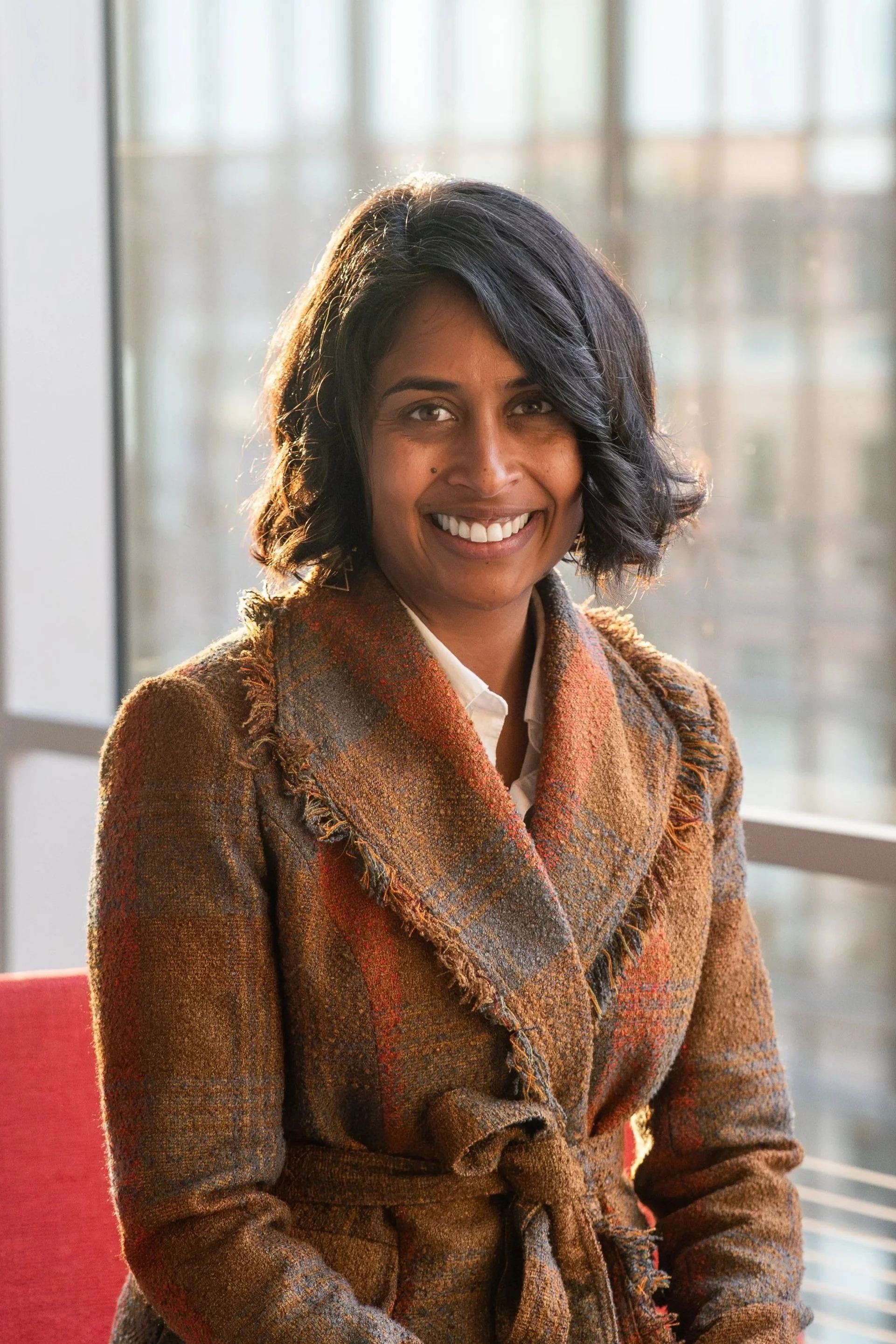
Deepa Lounsbury
LabStart
Deepa is the CEO of LabStart, a non-profit which unlocks breakthrough climate innovations out of our national labs and research institutions as well as undercapitalized entrepreneurial talent to launch deep climate technology startups. She has spent the last two decades bringing innovative climate products, programs, and initiatives to life. This includes building out the $35M California Sustainable Energy Entrepreneur Development (CalSEED) program to fund early stage entrepreneurs and investing at one of the earliest climate venture capital firms, Angeleno Group. Deepa holds a bachelor’s degree in Business from the University of Southern California and a master’s degree from UC Berkeley’s Energy and Resources Group.
-
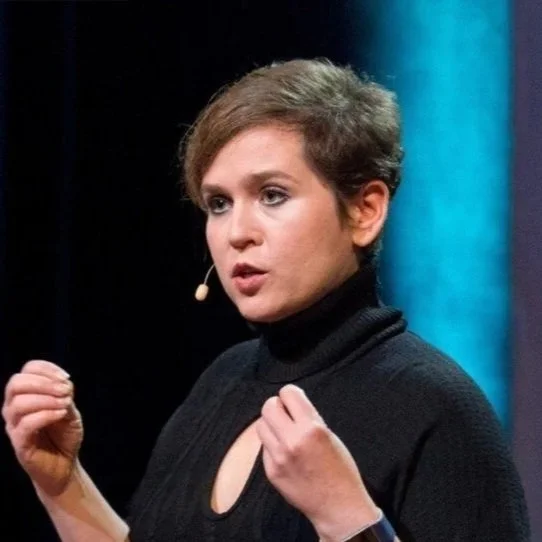
Eva Gladek
Metabolic
Eva Gladek is a systems thinker, organizational builder, and the founder and CEO of Metabolic, where she has built or helped launch a dozen sustainability-focused organizations and ventures since 2012. Her current focus is on poly-capital orchestration: structuring the portfolios, capital stacks, and institutions needed to align public, private, philanthropic, and civic capital around the transition of entire regional economies. She is currently deploying this model in the western half of North Carolina, Metabolic's flagship regional engagement, where she serves as Founding Partner of the Resilient Futures Co-Lab.
-
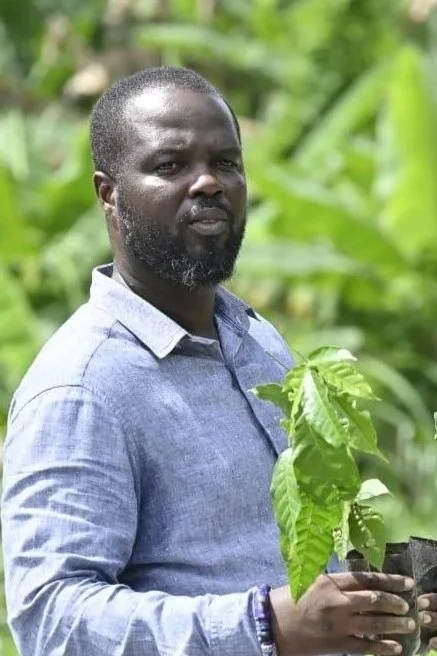
Kofi Gyimah Amoako-Gyimah
Okyemen Environment Foundation
After more than 20 years of working with the Okyeman Environment Foundation in Ghana, I am currently a doctoral student in an interdisciplinary program on Human Security, Climate and FinTech at Worcester Polytechnic Institute. My research investigates how community resource governance can more fully reflect indigenous conceptions of Human Security while enabling communities to participate meaningfully in emerging carbon and climate-finance opportunities.
-
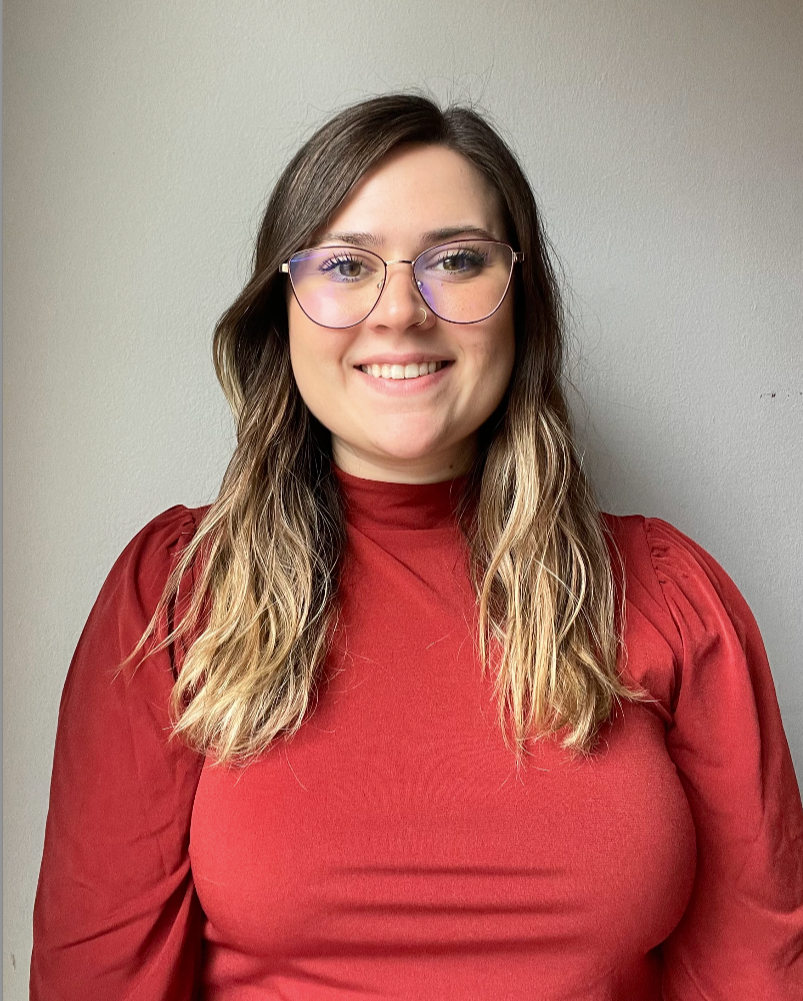
Liza Lamana
American Sustainable Business Network
Liza LaManna leads agriculture and water policy at the American Sustainable Business Network, building coalitions to advance regenerative agriculture, protect water resources, and influence federal and state policy, empowering businesses to act as catalysts for sustainable change.
-
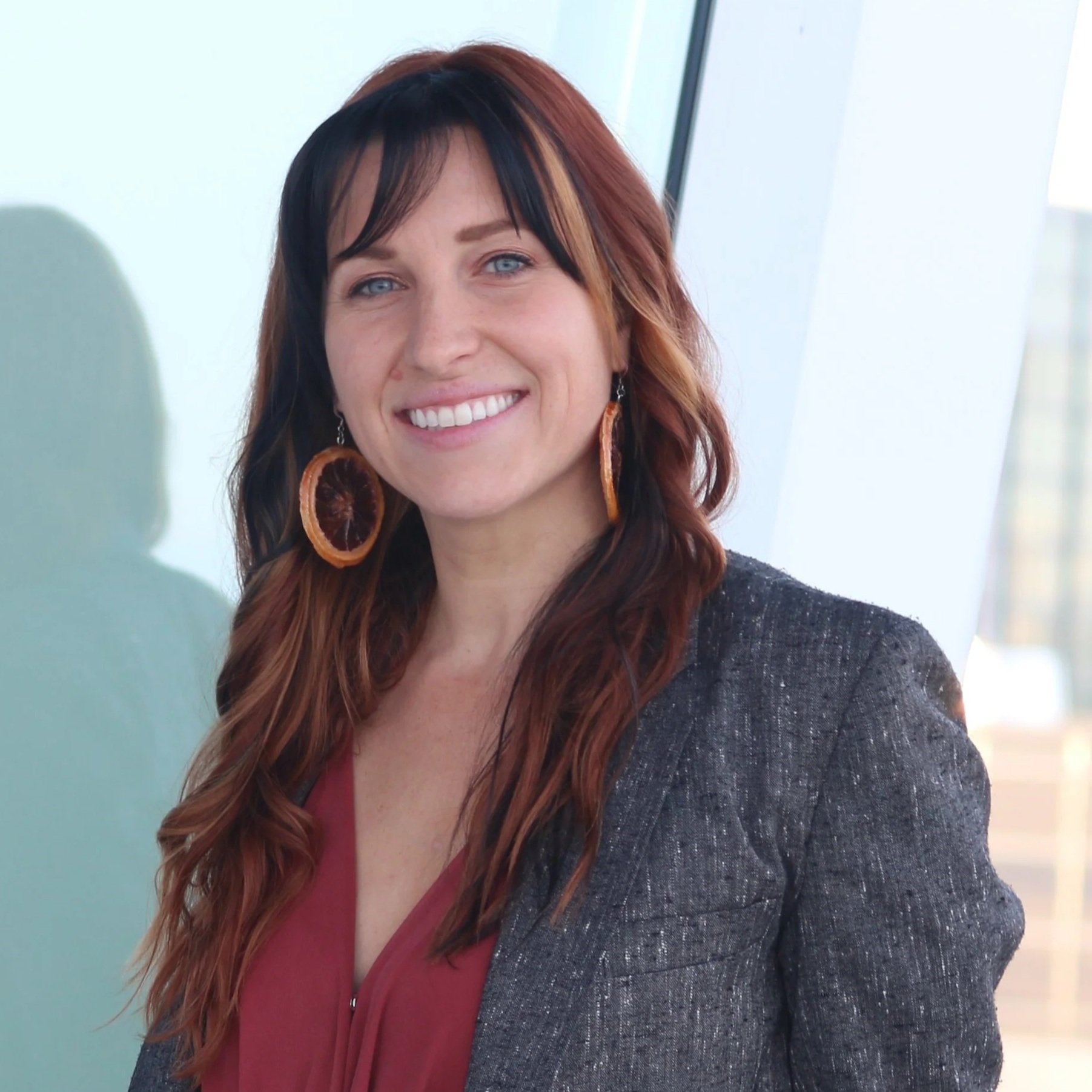
Megan Holcomb
LabStart
Megan Holcomb spends her career getting people who don't agree to build things together — communities, agencies, funders, and companies — in service of climate resilience. As COO of LabStart, she channels that skill into strategic partnerships and funding strategies that move climate technology from lab to deployment. A former Senior Drought Specialist for the State of Colorado, she was appointed by Governor Polis to the state's first Environmental Justice Advisory Board, founded Colorado's Interagency Climate Team, and managed the statewide Drought Task Force (emergency response) in response to the 2020-2022 extreme drought.
-
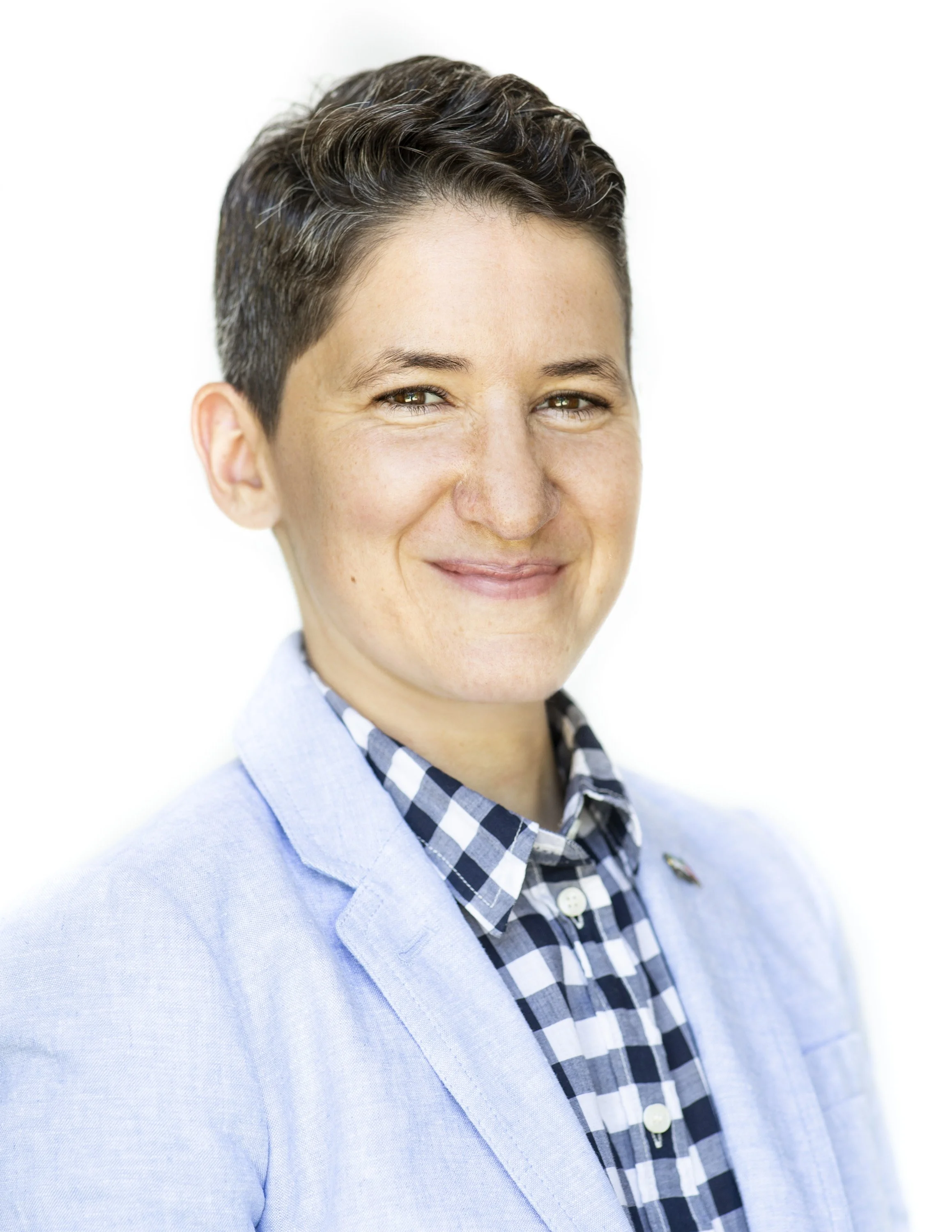
Sarah Salem
Hudson Valley Food Systems Coalition
Sarah Salem (They/Them) is a food systems strategist and network convener dedicated to advancing regional food security and equity through a nature-based, systems-thinking lens. As founder of the Hudson Valley Food Systems Coalition, they convene over 100 stakeholders across agriculture, policy, emergency food, and community development to foster collaboration, pilot innovative programs, and shape regional food system strategies.
Salem’s work focuses on designing and implementing equitable food access initiatives, including farm-to-community aggregation and distribution models that strengthen connections between regional farmers and communities.
-

Sara Blenkhorn
Buckminster Fuller Institute
Sara Blenkhorn is Director of Innovation at the Buckminster Fuller Institute, where she's redesigning how founders and institutions govern, own, and structure themselves for the AI era. She founded Canada's first circular economy lab for the fashion industry, is a C40 Women4Climate award recipient, and has shaped climate policy across multiple levels of government.
Hosts & Moderators
-

Kaitlin Archambault
Open Future Coalition
Kaitlin is Founder & CEO of Open Future Coalition, developing social, technical, and financial tools that support a global network of grassroots efforts in solving the world’s most pressing issues. Their online platform, Open Impact, brings together community leaders, experts, funders, and community members to coordinate, measure, resource, and document solutions to complex coordinative challenges in over 60 countries.
-

Jamaica Stevens
Open Future Coalition
Jamaica is the Co-Founder and Chief Culture Officer of Open Future Coalition, connecting communities of place and practice with access to the resources, tools, and partnerships they need ensure their own resilience and thriving. As Program Director for programs like the Regional Resilience Fellowship and the US Food Systems Infrastructure Lab, she works to bolster local action while facilitating global learning towards thriving social ecosystems restoring planetary wellbeing.
-

Sushant Shrestha
Contextual Capital Labs
Sushant is a capital strategist and fund architect who designs impact funds, advises founders, and builds AI-powered intelligence tools for asset allocators. He is a founding partner of two impact funds and publishes strategic intelligence spanning capital, technology, and society.
F E A T U R E D P R O G R A M
U.S. Food Systems Infrastructure Lab
The U.S. Food Systems Infrastructure Lab brings together organizations across the food systems ecosystem to strengthen regional work while building shared social, technical, and financial infrastructure. By connecting work across regions, the Lab creates opportunities to strengthen what’s already working, share promising approaches, and develop tools, resources, and pathways that no single organization or region should have to build alone. The inaugural cohort brings together 16 organizations and networks working across cooperative development, markets and capital, research and learning, land stewardship, ecological resilience, regional coordination, and more.

Stay Engaged
-

Become a Network Partner
Let’s go further together! Partner with us to leverage the Open Impact platform to power your network, organization, regional or sectoral planning & implementation. We also welcome resource publishing & codevelopment partners.
-
Join the Developer & Practitioner Community
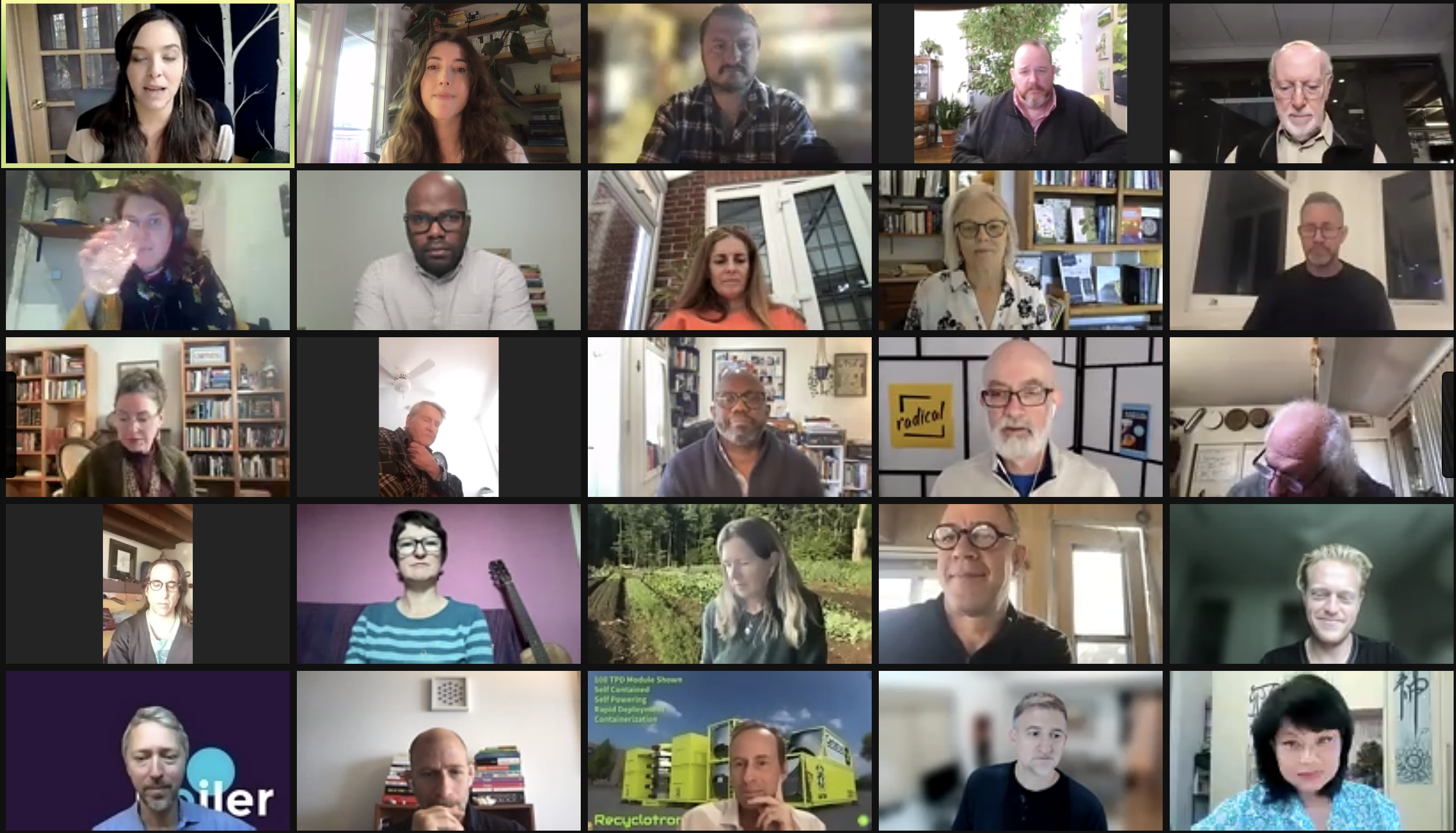
Join our global community of practice to learn from peers, document solutions, collectively inform our roadmap & priorities, & access API documentation. We’ll be announcing an invitation soon; sign up for our newsletter for the link below.
-
Support the Regional Resilience Fellowship
Learn more about & support the Regional Resilience Fellowship program, a curated year-long cohort of organizations & networks that gain access to our tools, participate in peer learning, & directly inform our roadmap & implementation.