
U.S. Food Systems Infrastructure Lab
Bringing organizations across the food systems ecosystem together to strengthen regional work and build shared social, technical, and financial infrastructure.
17 Fellows | Cross-Regional Implementation & Learning | Field-Level Infrastructure
From Regional Innovation to Shared Infrastructure
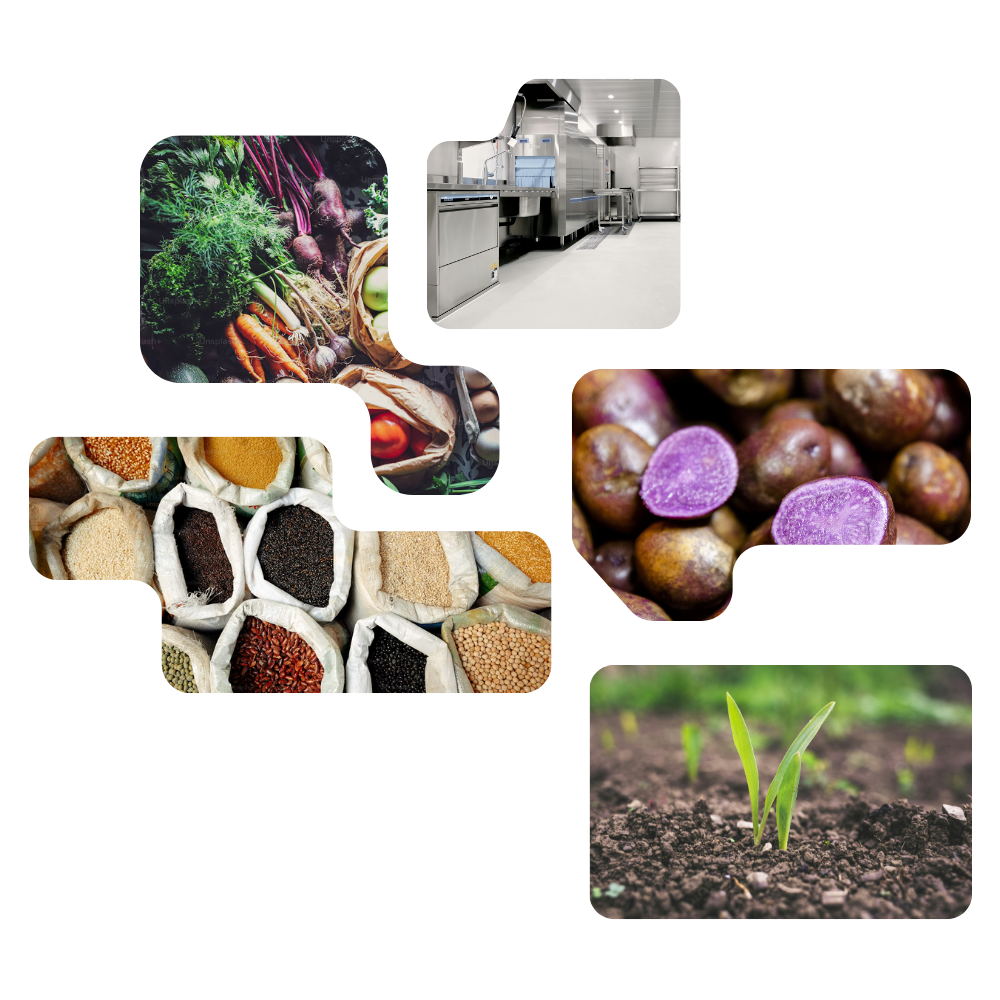
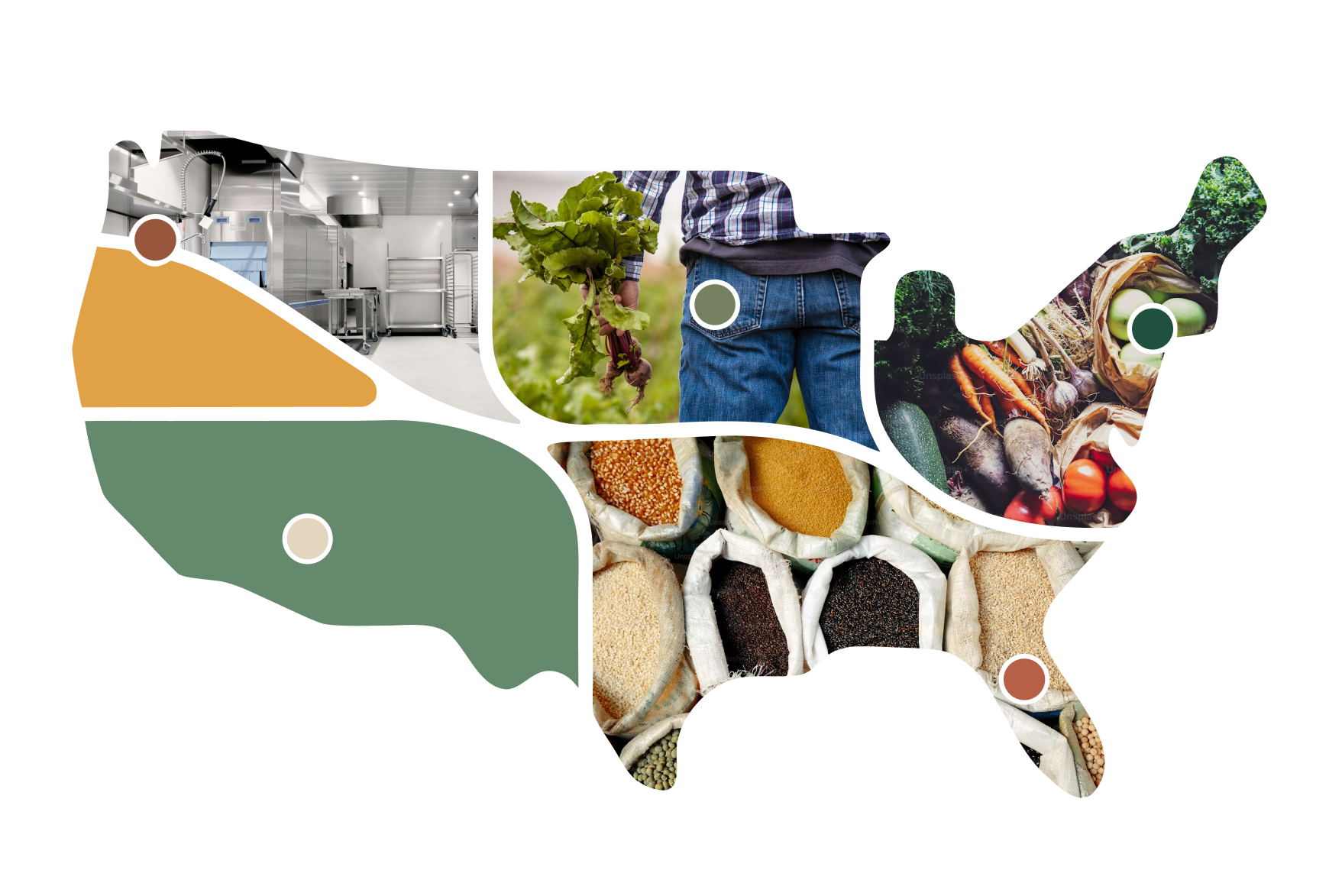
Across the country, farmer cooperatives, food hubs, Tribal food sovereignty initiatives, regional networks, research institutions, community lenders, and other food systems leaders are developing practical approaches to strengthen farm viability, market access, land and ecological stewardship, regional coordination, and access to technical assistance and capital.
While these efforts respond to the distinct needs and opportunities of their regions, many encounter similar barriers—and are developing approaches that could benefit others working across the country.
The U.S. Food Systems Infrastructure Lab creates a space to connect this work: supporting organizations in advancing their own priorities while identifying recurring needs, sharing promising approaches, and exploring what becomes possible to build together.
What becomes possible when strong regional approaches have better ways to learn from, resource, and build with one another?
-

Strengthen
Individual Workplans + Tailored Support
Each Fellow develops an individualized work plan shaped around its priorities, with tailored implementation guidance, technical assistance, and support from Open Future Coalition and aligned partners.
-
Connect
Peer Learning + Open Impact
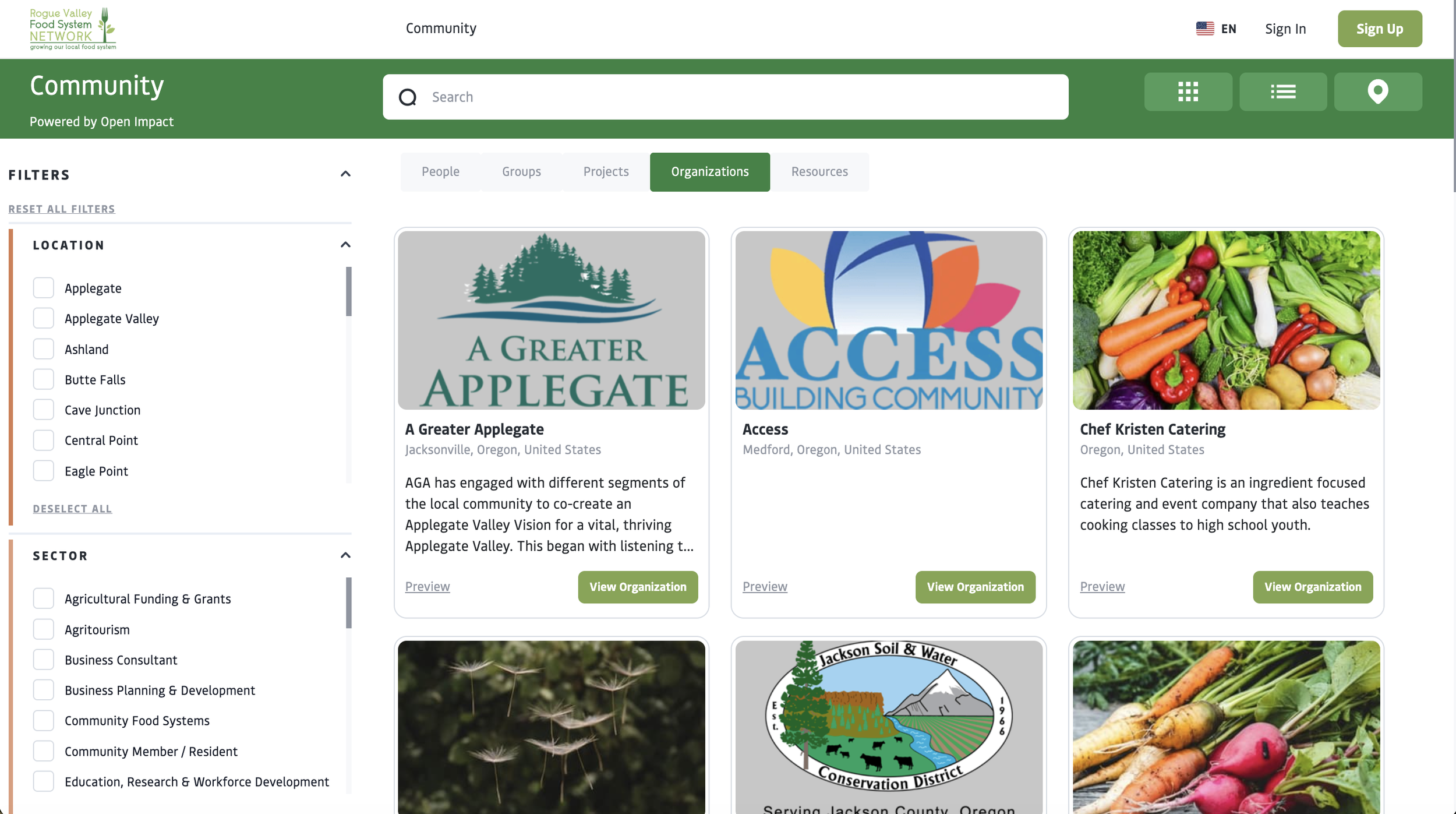
Fellows learn and problem-solve across regions while using Open Impact to coordinate work, share resources, document learning and impact, and make projects and opportunities more visible.
-
Build
Shared Design + Co-Development
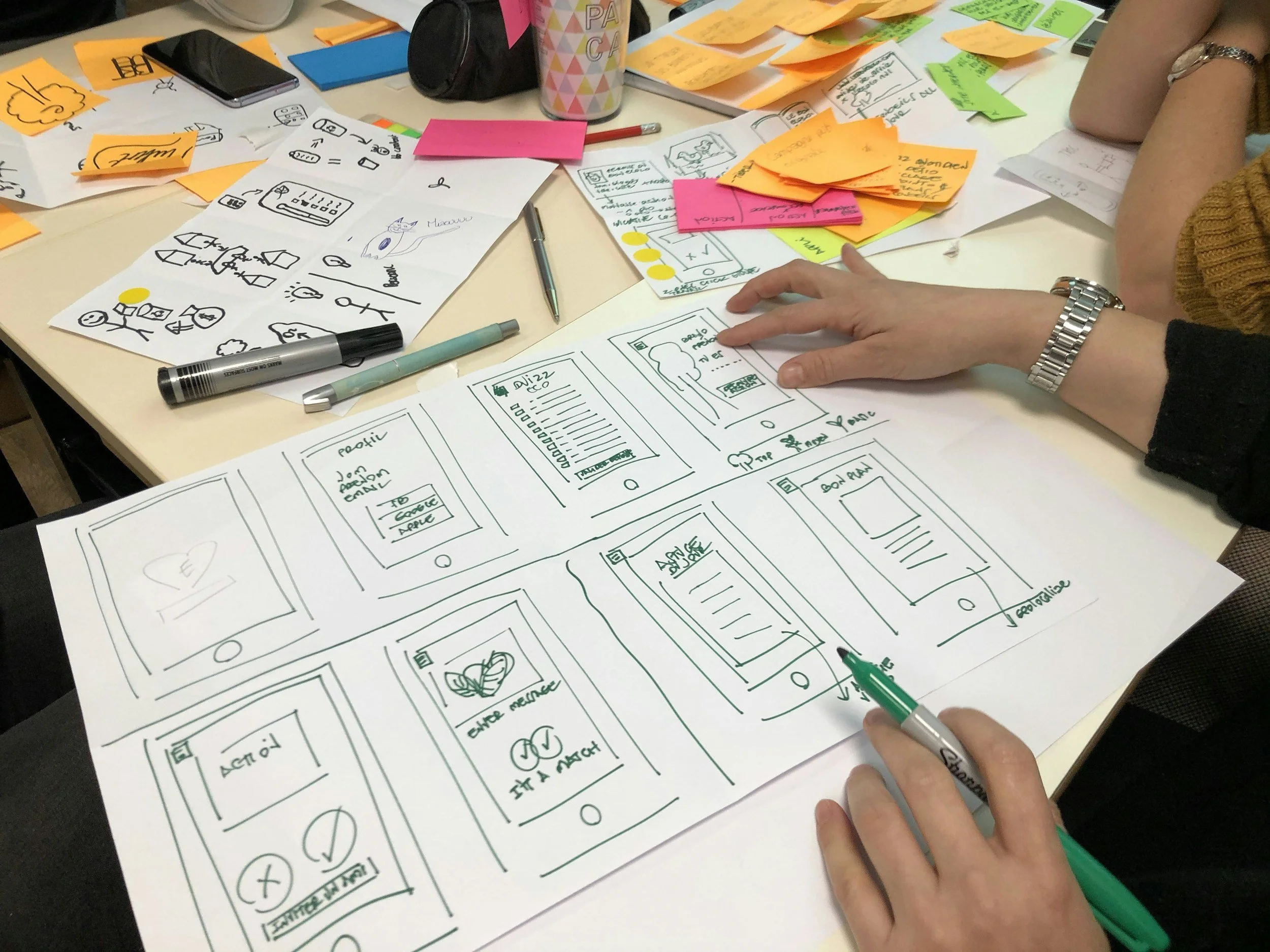
Common challenges and opportunities surfaced through the Lab inform the development of shared resources, workflows, measurement approaches, technical tools, market-enabling solutions, and other common infrastructure.
-

Resource
Capital + Implementation Pathways
The Lab connects emerging needs and opportunities with aligned resources and partners, while Contextual Capital Labs provides a complementary pathway for projects requiring deeper predevelopment, capital readiness, and financing support.
Meet the fellows
The inaugural U.S. Food Systems Infrastructure Lab cohort brings together 16 organizations working across different geographies, scales, and parts of the food systems ecosystem—from producer networks and regional conveners to researchers, technical assistance providers, capital partners, land and ecological stewards, and national networks.
Together, they represent both the diversity of approaches already strengthening regional food systems and the opportunity to connect those efforts through shared learning, infrastructure, and investment.
-
Agricultural Platform Collective
Agricultural Platform Collective brings together organizations working to strengthen regional food systems in California, with a particular focus on producer support, market access, and shared capacity. Through the Lab, APC will continue exploring opportunities for stronger coordination and capital pathways across the Central Valley and beyond.
REGIONAL IMPLEMENTATION MARKETS NETWORKS + COORDINATION NATIONAL + FIELD INFRASTRUCTURE -
American Sustainable Business Network
American Sustainable Business Network brings together businesses, investors, and other economic actors working toward a more sustainable and equitable economy. Its participation brings a national business and policy perspective to questions of market development, financial infrastructure, and the conditions needed for regional food systems to thrive.
NATIONAL + FIELD INFRASTRUCTURE · REGULATORY + POLICY · MARKETS -
Cooperative Food Empowerment Directive (CoFED)
CoFED is a cooperative movement builder creating a food economy powered by the visionary leadership of young queer, trans, Black, Indigenous people, and people of color. Through training, community grants, and solidarity networks, CoFED supports cooperators and farmers advancing food and land justice. Its work seeks to transform an extractive system into one rooted in healing, relationship, and collective liberation.
COOPERATIVE DEVELOPMENT · TECHNICAL ASSISTANCE · LAND ACCESS + STEWARDSHIP · CAPITAL + INVESTMENT -
Del Norte & Tribal Lands Food Council
Del Norte & Tribal Lands Food Council brings together producers, Tribal communities, institutions, and other partners to strengthen the food system of California's far north coast. Its work demonstrates the importance of regional coordination, food sovereignty, and approaches shaped by the ecological and cultural context of place.
REGIONAL IMPLEMENTATION · NETWORKS + COORDINATION · LAND ACCESS + STEWARDSHIP · ECOLOGY + RESILIENCE -
Federation of Southern Cooperatives
For decades, the Federation of Southern Cooperatives has strengthened Black farmers, landowners, cooperatives, and rural communities across the South. Its work spans cooperative development, land retention, technical assistance, advocacy, and market access—offering a powerful model of infrastructure built around the long-term needs of producers and communities.
COOPERATIVE DEVELOPMENT · TECHNICAL ASSISTANCE · LAND ACCESS + STEWARDSHIP · REGIONAL IMPLEMENTATION · MARKETS -

Foodshed Capital
Foodshed Capital provides flexible financing and business support to farms and food enterprises, helping address the gap between the capital producers need and the financing traditionally available to them. Its participation brings an important practitioner perspective on how financial tools and technical support can better serve regional food economies.
CAPITAL + INVESTMENT · TECHNICAL ASSISTANCE · REGIONAL IMPLEMENTATION -
Foodshed Small Farm Cooperative
Foodshed Small Farm Cooperative is developing farmer-led approaches to aggregation, distribution, and market access for small and historically underserved producers. Its work offers a practical example of how cooperative infrastructure can help individual farms access opportunities that are difficult to reach alone.
COOPERATIVE DEVELOPMENT · MARKETS · REGIONAL IMPLEMENTATION -
Glynwood Center for Regional Food & Farming
Glynwood strengthens regional food and farming through farmer training, market development, regional collaboration, and stewardship of working lands. Its work demonstrates how physical, social, and ecological infrastructure can work together to support viable farms and a thriving regional food economy.
REGIONAL IMPLEMENTATION · TECHNICAL ASSISTANCE · MARKETS · LAND ACCESS + STEWARDSHIP · ECOLOGY + RESILIENCE · CAPITAL + INVESTMENT -
Hudson Valley Food Systems Coalition
Hudson Valley Food Systems Coalition connects organizations working across the region to strengthen collaboration, align resources, and address shared food-system priorities. Its participation brings experience in the connective infrastructure required to move from many strong individual efforts toward greater regional coordination and collective impact.
REGIONAL IMPLEMENTATION · NETWORKS + COORDINATION · RESEARCH + LEARNING -
Local Seed Coalition
Local Seed Coalition works to strengthen seed systems, biodiversity, and farmer knowledge as foundations for resilient agriculture. Its participation brings an important ecological dimension to the Lab, highlighting the role of locally adapted seed, biological diversity, and farmer-led knowledge in the long-term health of food and farming systems.
ECOLOGY + RESILIENCE · RESEARCH + LEARNING · NETWORKS + COORDINATION · NATIONAL + FIELD INFRASTRUCTURE -
Locus
Locus helps communities put capital to work in ways that build local wealth and strengthen place-based economies. Its expertise in community finance and investment brings an important perspective to the Lab's exploration of how capital can better align with regional priorities and support the infrastructure communities need.
-
Michigan State University Center for Regional Food Systems
The Michigan State University Center for Regional Food Systems advances resilient and equitable food systems through applied research, education, partnerships, and practitioner resources. Its participation brings deep experience translating knowledge across research and practice and supporting learning among food-system leaders working in different contexts.
-

New List Item
Description goes here -
New List Item
Description goes here -
New List Item
Description goes here -

New List Item
Description goes here -
New List Item
Description goes here